
Advanced Solutions for
Healthcare & Hospitals
Enhancing HVAC and refrigeration efficiency is essential for healthcare facilities, where cooling runs continuously to support patient care and strict environmental control. Efficient systems, passive cooling, and condensation control reduce energy use and system strain while maintaining stable temperature, humidity, indoor air quality, and long-term facility durability.
We provide proven solutions that enhance energy efficiency, indoor comfort, hygiene, in healthcare centers and hospitals.
Energy Loss in Healthcare Centres & Hospitals
Hospitals and healthcare facilities operate 24/7 under strict ventilation, infection-control, and temperature requirements. While reliability and safety are critical, conservative HVAC operation and high air-change rates often lead to hidden energy loss across cooling plants and air systems.
Common sources of inefficiency include:
- High Air Change Rates (ACH) increasing cooling and fan energy demand
- Overcooling with Reheat to maintain humidity and comfort standards
- Simultaneous Heating & Cooling in different zones
- Unstable chilled-water Delta-T due to variable clinical loads
In addition, strict humidity control increases latent cooling load, especially in operating theatres and isolation rooms, further elevating energy consumption.
Improving hospital energy performance requires a systems-level approach — stabilising airflow, optimising chilled-water production, enhancing heat transfer, and aligning HVAC operation with real clinical demand while maintaining compliance and patient safety.
HVAC Energy Effiency Enhancement
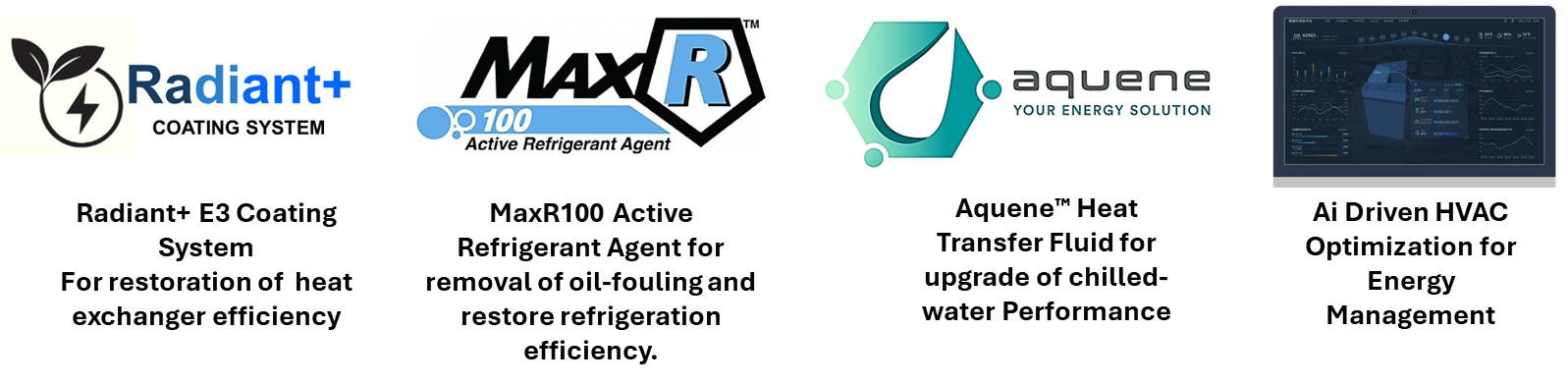
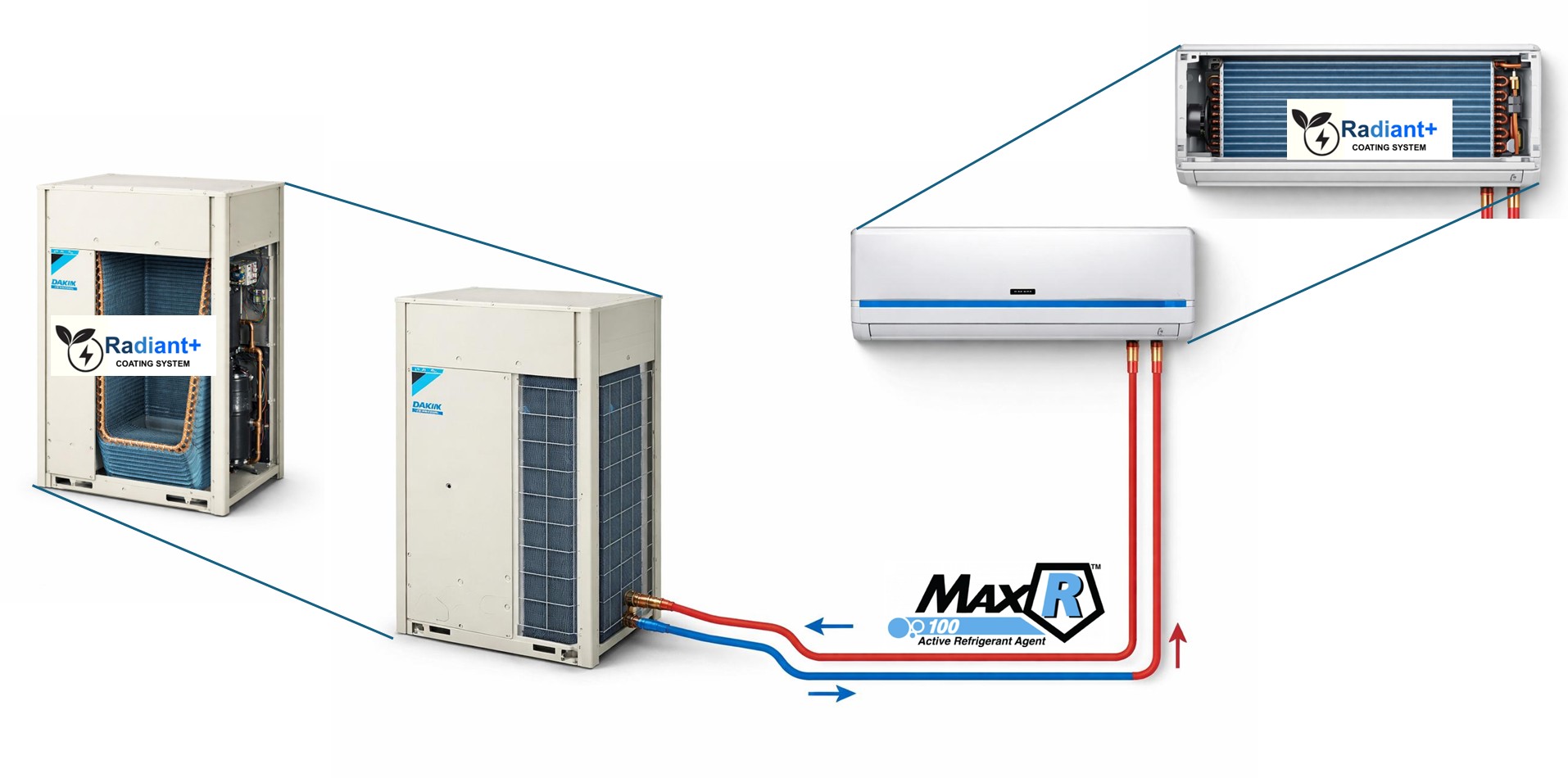
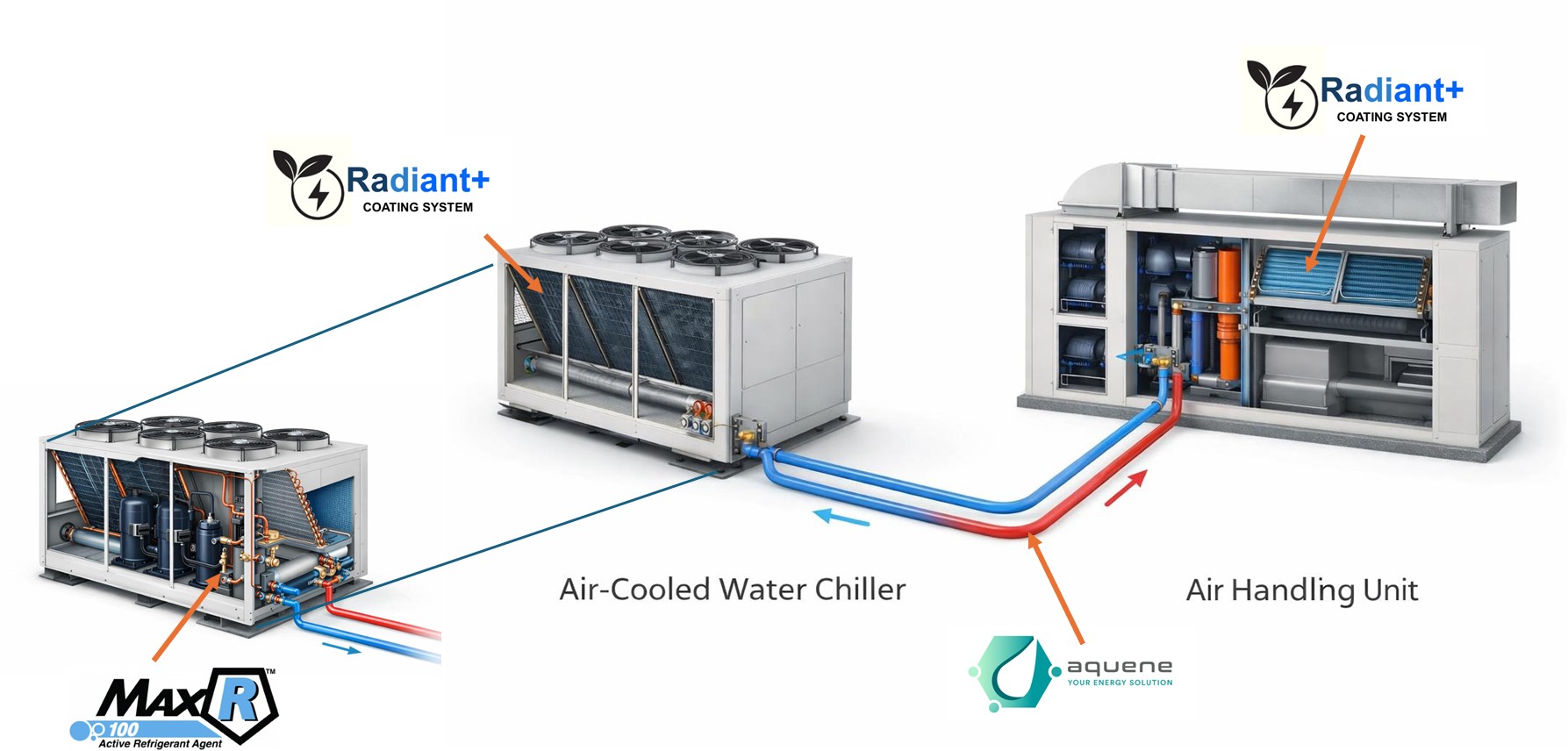
Radiant Climate Technologies improves HVAC energy efficiency by restoring condenser and cooling coils, then enhancing heat transfer with [1]Radiant+ E3 Coating heat-conductive coating. [2] MaxR100® is added to the refrigerant loop to remove oil fouling, reduce friction, lower compressor load, and further improve refrigeration cycle efficiency.
In Chiller-AHU System, water is used as a medium of heat transfer for transfering the cooling effect from chiller the AHU, which cools the air to be supplied to the buildings. Water has limited heat transfer capacity due to its high specific heat capacity and heat conductivity. [3] Aquene Heat Transfer Fluid is used as an alternative that enhances the heat transfer capability between the chiller and AHU.
The chiller plant and connected air-conditioning systems that are controlled by fixed schedules, manual setpoints, or conservative buffer settings, are likely overcooling and wasting energy.
Our [4] AI-driven HVAC Optimization System adds an intelligent optimisation layer that learns your building’s actual cooling patterns and continuously adjusts chilled-water production to match real demand. Designed for retrofit integration, it works wirelessly with existing BMS/BA systems — upgrading performance without replacing your current automation infrastructure.
Split-Unit Air-conditioning System
Chiller - AHU System
Passive Cooling, Comfort and Hygiene of Buildings
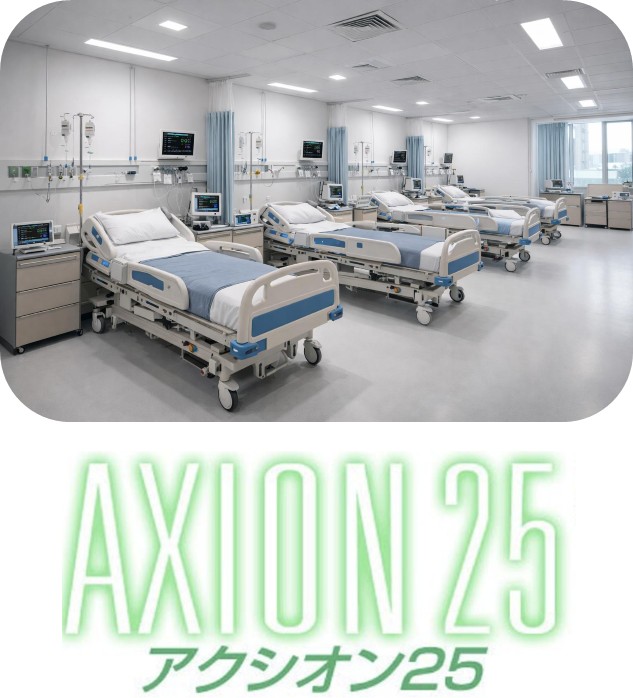
Radiant Climate Technologies delivers passive building cooling by applying PentaGard on exterior walls to reflect solar heat and reduce heat transfer. Axion25 is applied to interior walls to provide thermal insulation, suppress condensation, inhibit mold and bacteria growth, and ensure long-term surface stability without chemical leaching. Noise insulation is also expected. CeraliteTM , the high-transparency heat and UV control window film, is applied on the glass windows to reduce solar heat gain while preserving near-original glass appearance.

Heat and UV Control Window Film
Using Ceralite™, a high-transparency heat and UV control window film, the film rejects heat without blocking daylight, maintains low reflectivity and natural color and preserves architectural and brand intent.

Explore Related Energy Loss Topics
This problem connects to broader thermal-efficiency challenges across industries:
Explore All Energy Efficiency Solutions
HVAC Performance Solutions
- Heat exchanger efficiency improvement
- Energy efficiency improvement in refrigeration circuit
- Heat Transfer Fluid for chiller
- High Efficiency Refrigeration
- AI Driven HVAC Optimization System
Energy Efficiency Building Envelop and Hygiene Solutions
Industrial Heat Transfer