Energy Loss in Cold Trucks & Diesel Fleet Operations
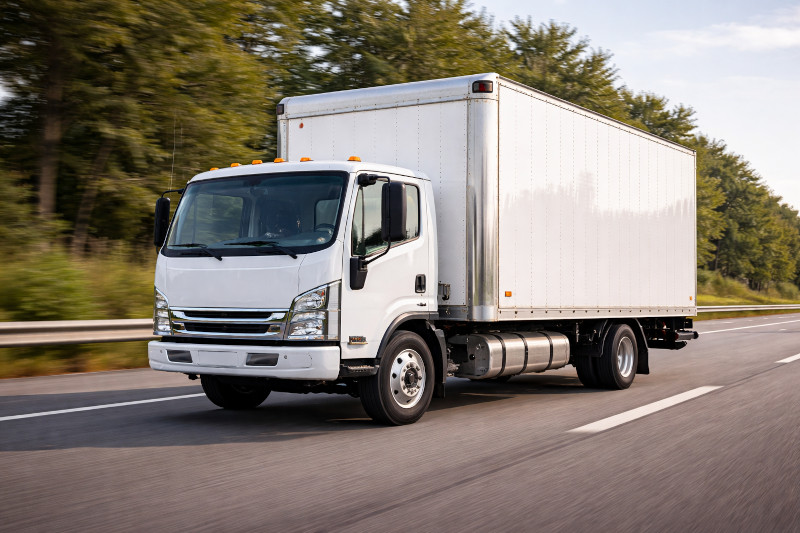
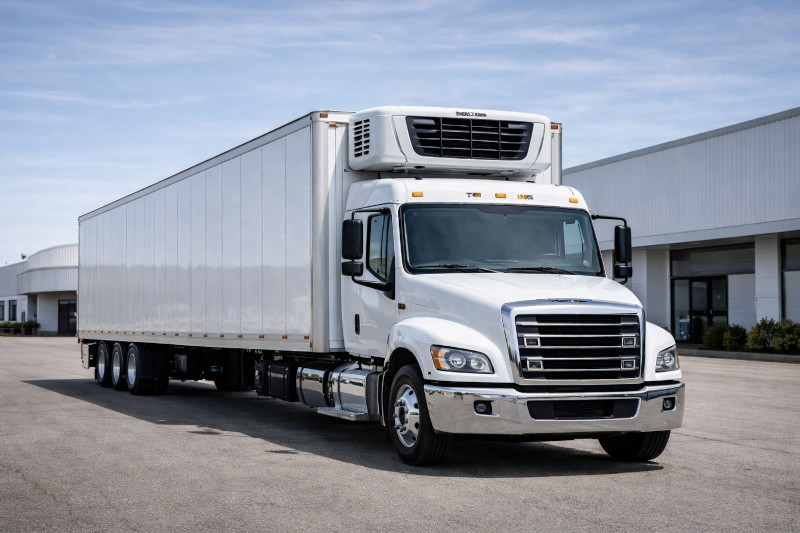
Forwarding companies operating refrigerated trucks face dual energy challenges — refrigeration inefficiency and diesel fuel waste. Because cold trucks run continuously during transport and delivery cycles, even small inefficiencies significantly increase fuel cost across the fleet.
Common sources of energy loss include:
- Unstable temperature recovery — repeated cooling spikes force compressors to operate outside optimal efficiency range
- Degradation of cold truck refrigeration — reduced efficiency due to degradation of condenser coil surface and oil fouling inside the refrigerant
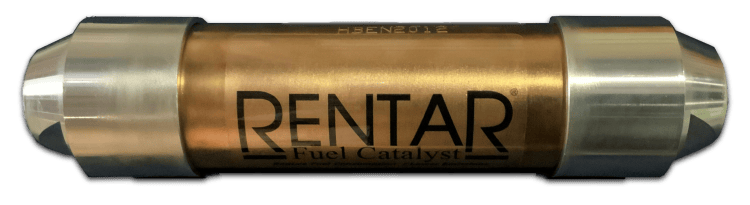
- Incomplete diesel combustion — suboptimal fuel-air mixing leading to wasted fuel energy, carbon buildup, and higher emissions
When combustion is incomplete, a portion of fuel energy is not converted into usable mechanical power but lost as excess heat and soot. Across large fleets, this results in higher fuel consumption per kilometre, increased maintenance frequency, and elevated operating costs.
Improving efficiency in cold truck fleets requires stabilising refrigeration load, enhancing heat transfer performance, and optimising diesel combustion to reduce fuel waste while maintaining delivery reliability.