
Energy Efficient Building Envelop & Hygiene Solutions
How To Build An Energy Effiicient Building Envelop With Managed Moisture, and Healthier Indoor Environments?
Modern buildings require more than efficient HVAC systems. Surface behaviour, humidity control, and material performance all play a critical role in maintaining comfort, reducing maintenance, and supporting healthier indoor spaces.
Passive control strategies focus on improving how building surfaces interact with heat, moisture, and environmental exposure — helping to reduce condensation risk, microbial growth, and long-term degradation.
Radiant Climate Technologies develops passive surface solutions designed to support thermal stability, hygiene performance, and building durability without relying solely on mechanical systems.
What Is Passive Control in Buildings?
Passive control refers to solutions that regulate environmental behaviour through material science rather than active energy input.
These approaches help:
- Maintain stable surface temperatures
- Reduce moisture accumulation
- Limit microbial growth conditions
- Improve durability of building finishes
Instead of increasing HVAC load to solve comfort or hygiene issues, passive solutions address the root cause at the surface level.
Why Do Passive Hygiene Matter in Modern Facilities?
Humidity, temperature fluctuations, and surface contamination can create conditions that allow bacteria, mold, and stains to develop over time.
Common challenges include:
- Condensation on walls and ceilings
- Surface degradation in humid climates
- Odor buildup and microbial growth
- Frequent repainting or maintenance cycles
Passive coating technologies can help manage these issues by influencing how heat and moisture interact with building materials.
How To Achieve Natural Cooling System For Buildings?
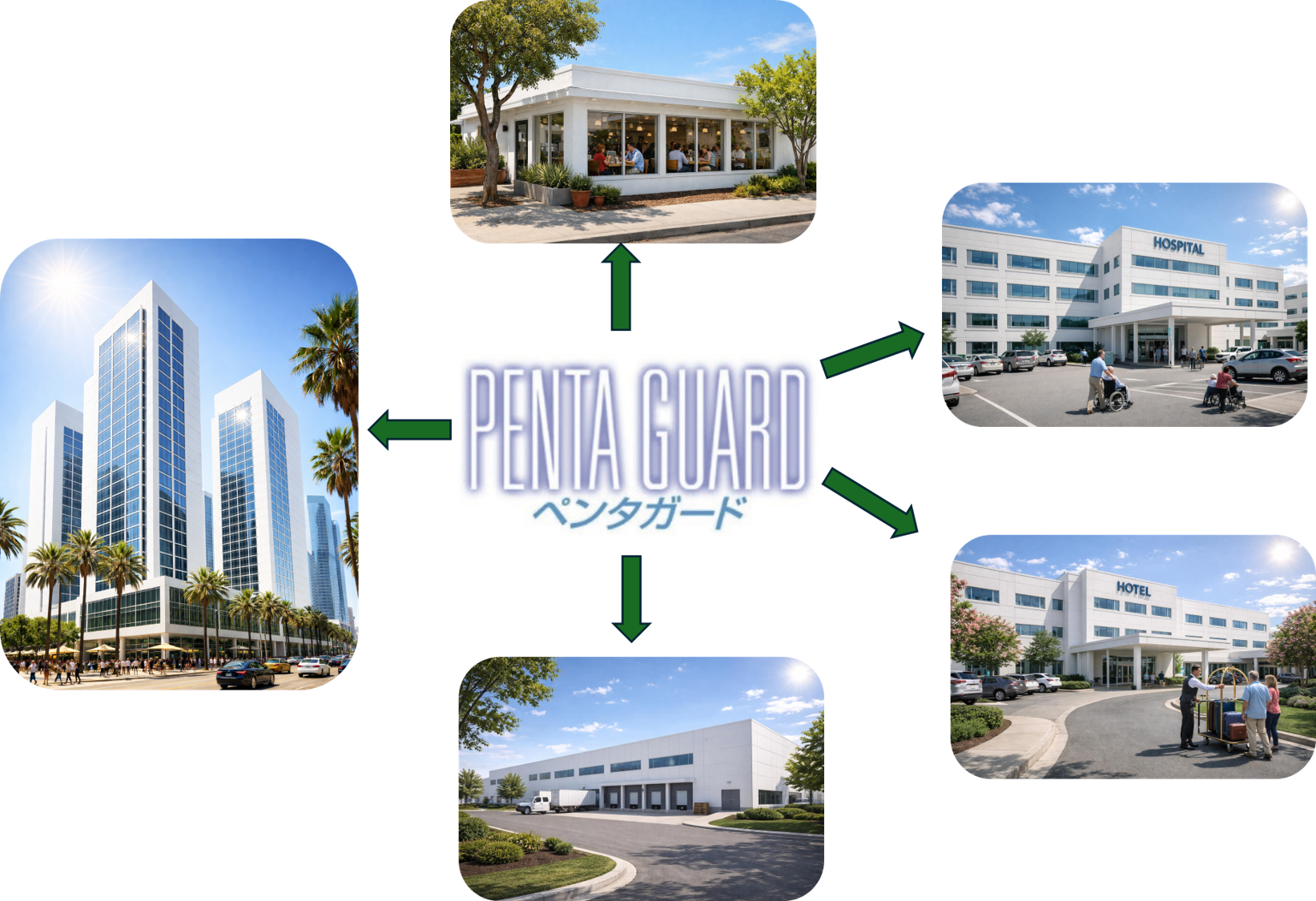
Pentaguard Nano-Ceramic Heat-Shielding Coating System
In high-traffic or hygiene-sensitive environments, surfaces must withstand wear while maintaining cleanliness.
Pentaguard provides protective surface performance designed to support durability and hygiene management in building interiors and selected exterior applications.
Typical applications include:
- Healthcare facilities
- Commercial buildings
- High-touch surfaces
- Areas requiring improved cleanability
How To Build An Anti-Condensation and Anti-Mould Environment?
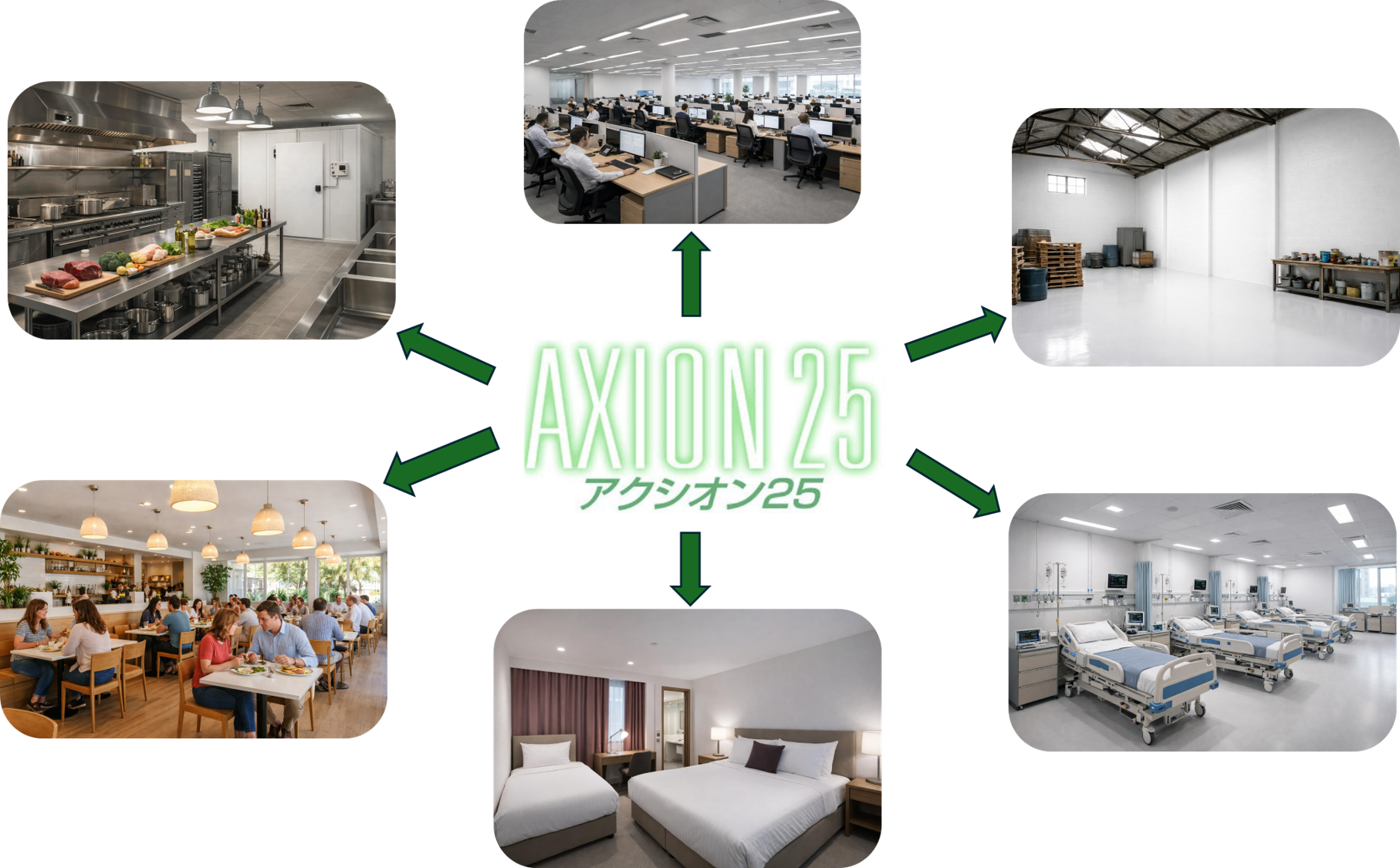
Axion25 Interior Nano-Ceramic Coating for Heat, Condensation, Mold and Noise Control
Condensation forms when surface temperature falls below the dew point of indoor air. This can lead to mold formation, discomfort, and structural degradation.
Axion25 is designed to influence surface thermal behaviour, helping maintain temperatures above dew point conditions and reducing moisture accumulation.
Key applications:
- Interior walls and ceilings
- Ducting and mechanical rooms
- Humid environments and tropical climates
How To Reduce Heat Gain Through Windows?
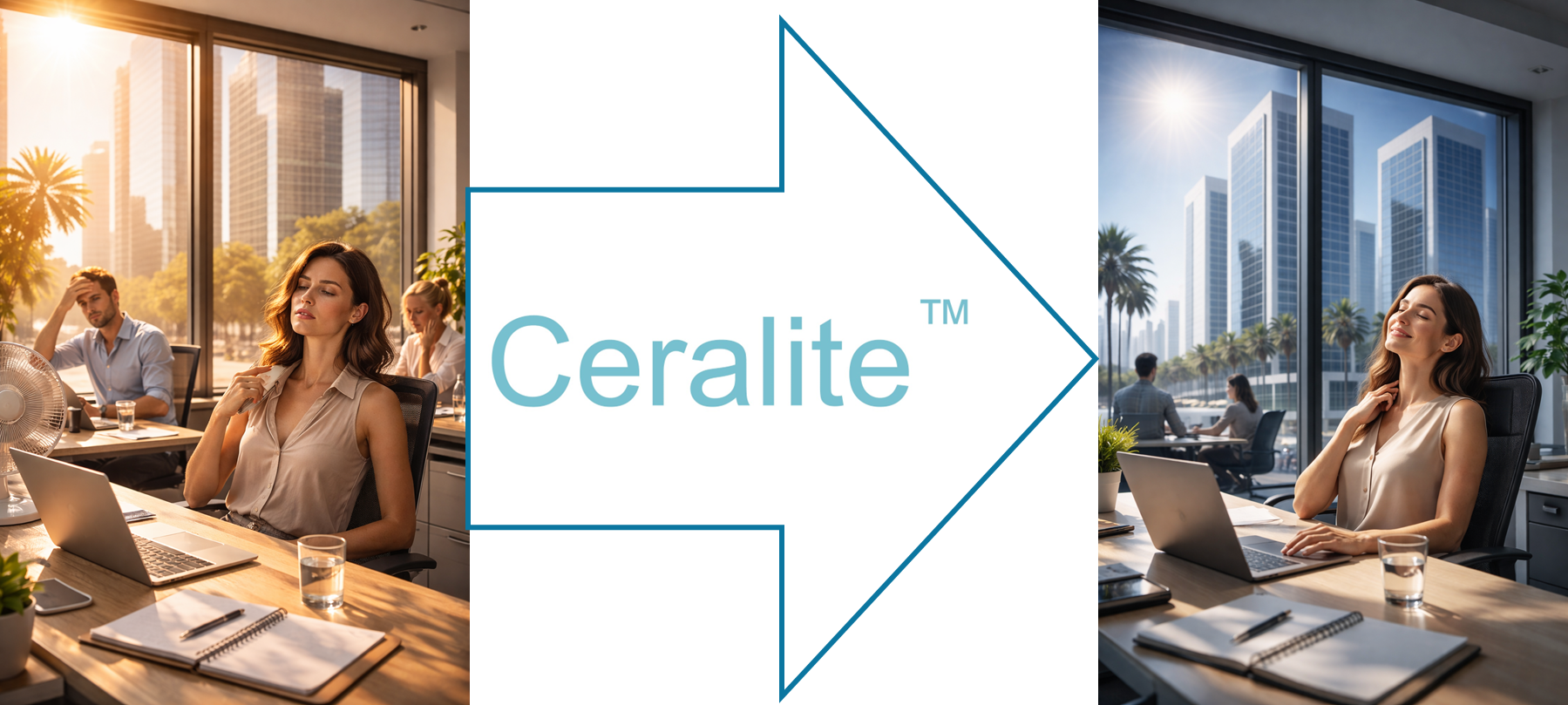
Ceralite Heat & UV Control Window Film
Building surfaces are exposed to daily environmental stress, from UV exposure to microbial activity.
Ceralite focuses on enhancing surface performance through advanced material properties that support cleanliness, durability, and long-term stability.
Potential applications include:
- Commercial interiors
- Educational facilities
- Hospitality environments
- Spaces prioritizing hygienic surface performance
Explore Related Energy Loss Topics
This problem connects to broader thermal-efficiency challenges across industries: