
How To Save Diesel Fuel Consumption?
Burn Diesel More Efficiently. Save Fuel. Reduce Emissions & Engine Wear.
What Is The Hidden Inefficiency Inside Diesel Engines?
Most diesel engines do not burn fuel completely.
Even well-maintained engines lose efficiency due to:
• Incomplete combustion of fuel molecules
• Unburned hydrocarbons and soot formation
• Carbon deposits in injectors, pistons, and rings
• Energy lost as heat instead of useful mechanical work
These inefficiencies lead to:
• Higher fuel consumption
• Increased emissions (NOx, PM, CO, CO₂)
• More frequent maintenance
• Shorter engine life
In many diesel engines, fuel is wasted not because of poor design—but because combustion is chemically inefficient.
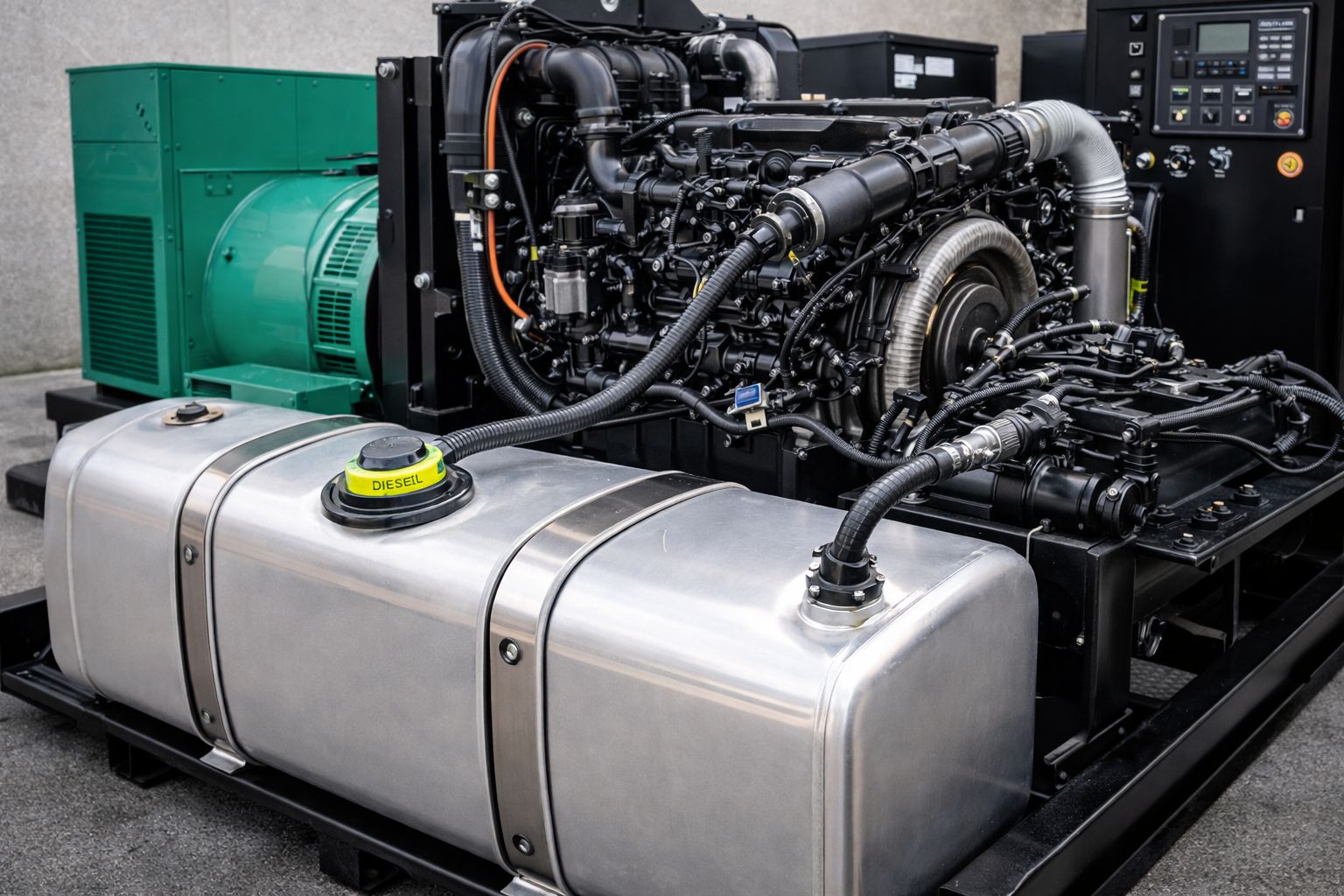
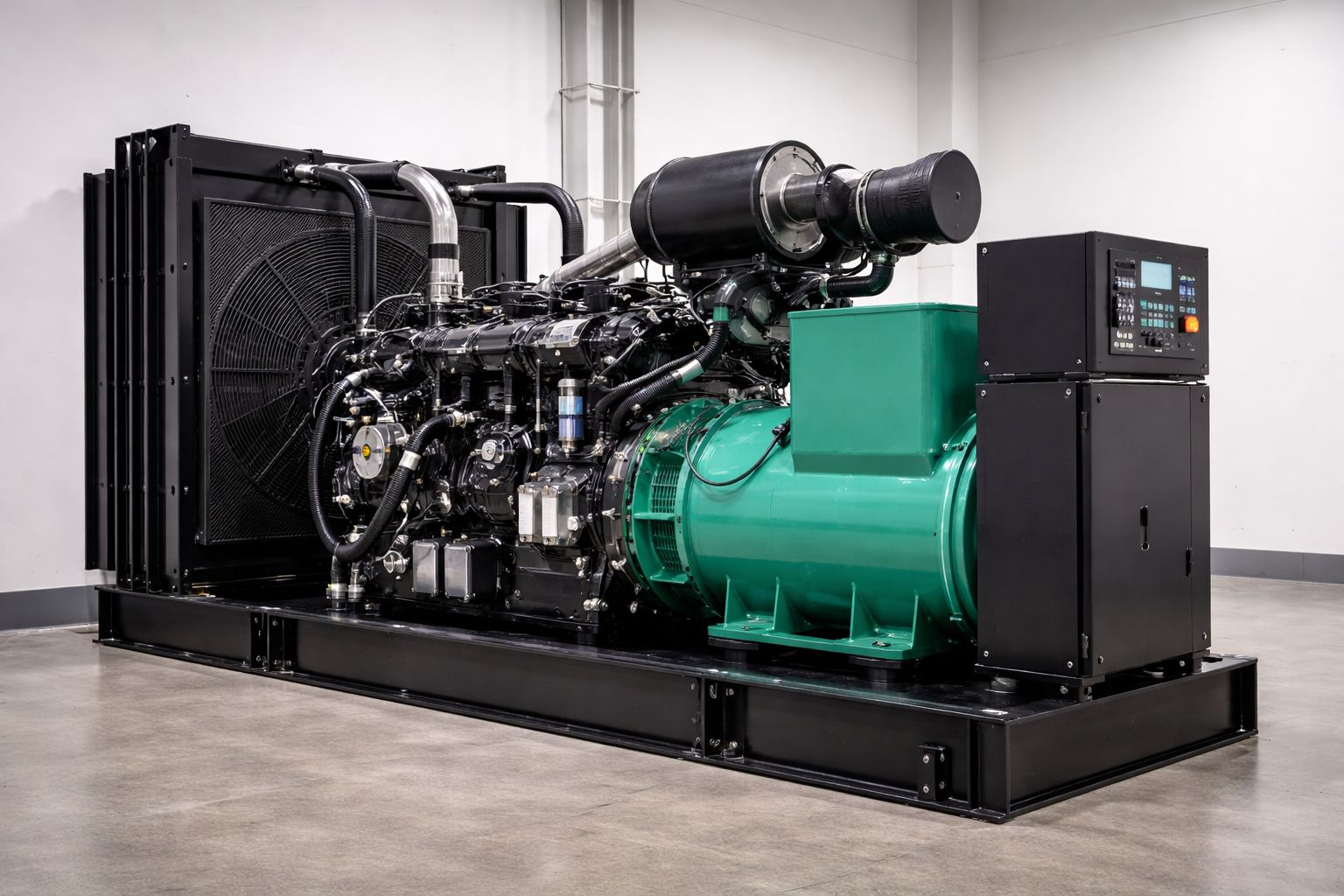
Generator diesel engine
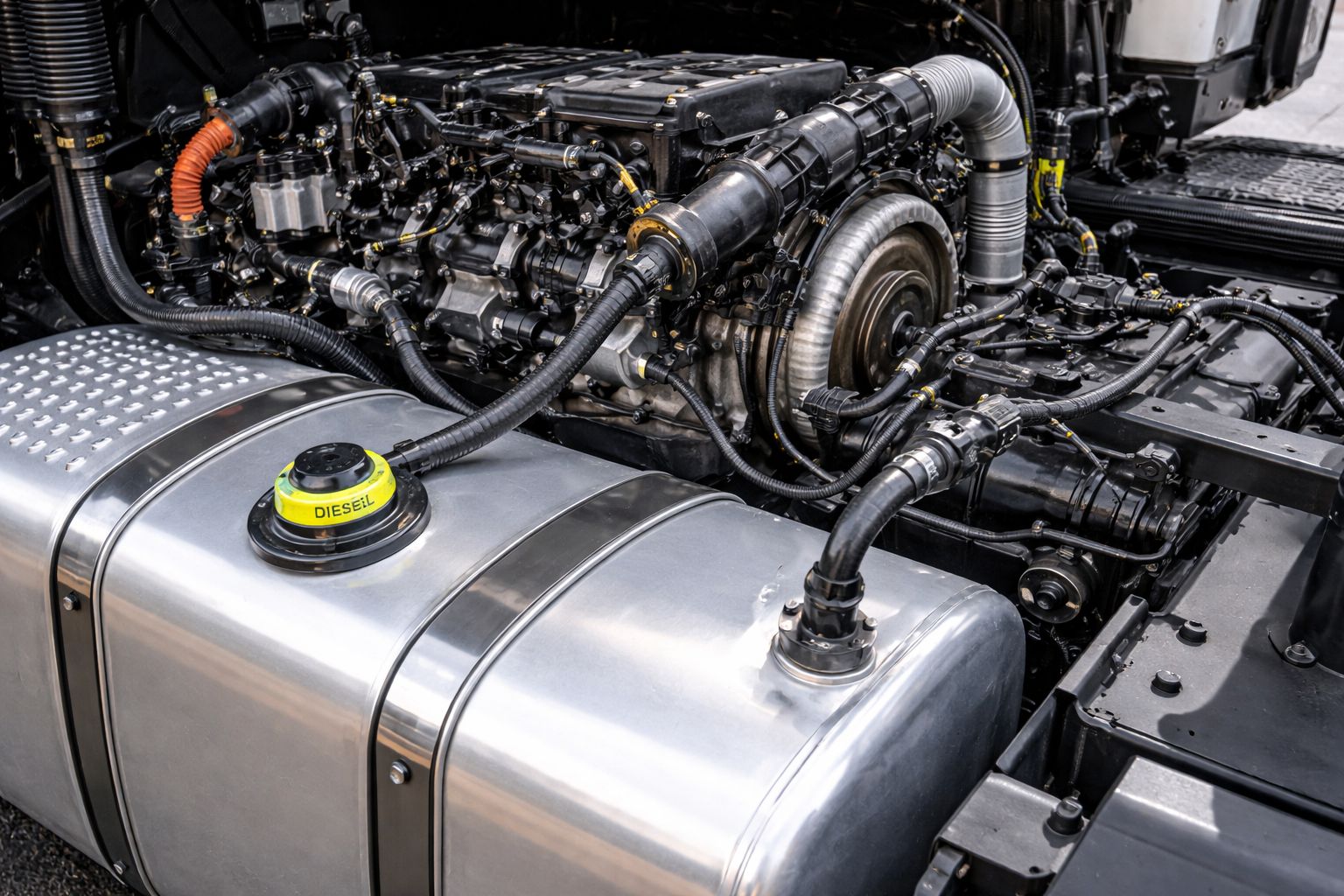
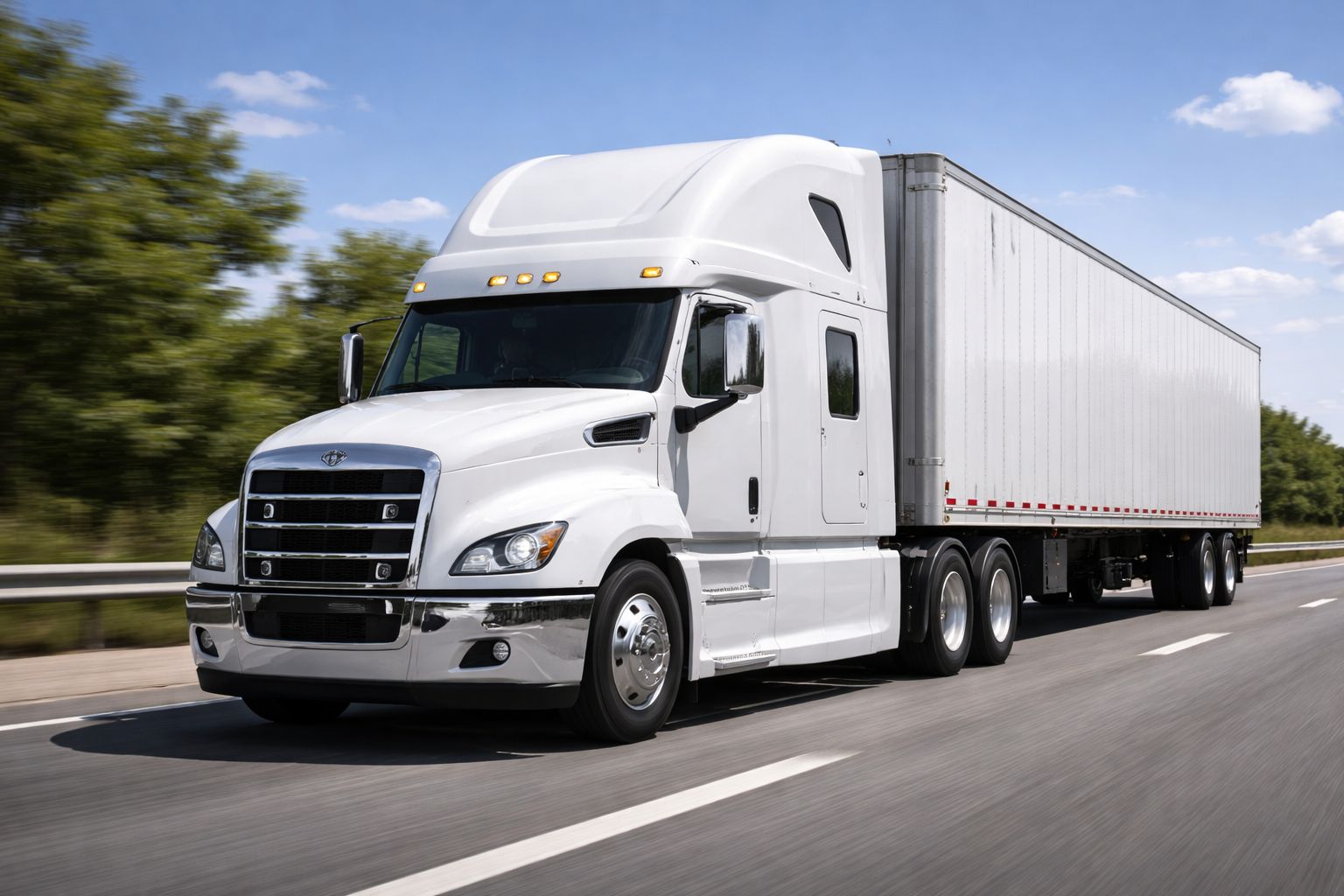
Truck diesel engine
What Fleet Owners and Operators Want?
As fleet managers, plant operators, and asset owners, you wish to see:
• Lower diesel fuel consumption without engine replacement
• Reduced emissions to meet tightening regulations
• Improved reliability and lower maintenance costs
• Solutions that work across different engine types
• Fast ROI with minimal operational disruption
You want a proven way to get more work from every litre of diesel.
What is Rentar Fuel Catalyst?
Rentar Fuel Catalyst is a solid-state, inline diesel fuel catalyst installed directly into the fuel line.
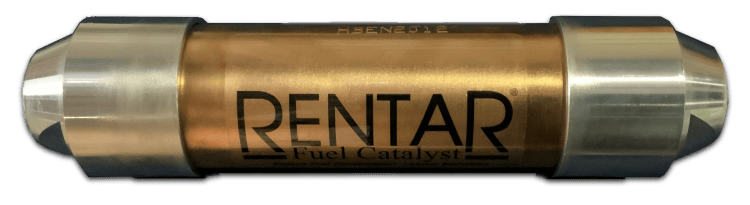
As fuel flows through the catalyst:
• A controlled catalytic reaction alters fuel molecule behaviour
• Hydrocarbon chains burn more completely
• Combustion becomes faster, cleaner, and more efficient
Unlike liquid additives:
• Rentar is not consumed
• Requires no repeat dosing
• Has no moving parts
• Works continuously for years
It improves combustion before the fuel reaches the engine, without changing engine settings or fuel supply .
What Are The Benefits & Performance Of Rentar Fuel Catalyst?
Fuel & Operations
- Reduced diesel consumption
- Improved combustion efficiency
- Lower fuel cost per operating hour
Emissions & Environment
- Reduced soot, CO, NOx, and CO₂
- Cleaner exhaust and less black smoke
- Supports ESG and carbon-reduction goals
Asset Protection
- Reduced carbon build-up
- Extended engine and component life
- Longer oil-change intervals
- Lower total cost of ownership
How Rentar Fuel Catalyst Works?
Rentar Fuel Catalyst improves performance by acting on fuel chemistry, not electronics or mechanics. As diesel passes through Rentar Fuel Catalyst, the mesh of rare earth and precious metals in the catalyst, the acidic sites donates a proton to C-C bond of the diesel polymer, resulting in
1. Fuel Pre-Conditioning (Before Combustion).
As diesel passes through the catalyst:
- Long hydrocarbon chains are partially broken into shorter, easier-to-burn molecules by the proprietary combination of rare earth elements contained in Rentar’s catalyst
- Ring-type structures promote release of free hydrogen
- Flame speed increases and ignition improves

- Some then convert to aromatic rings and release a bit of free hydrogen into the fuel mix.
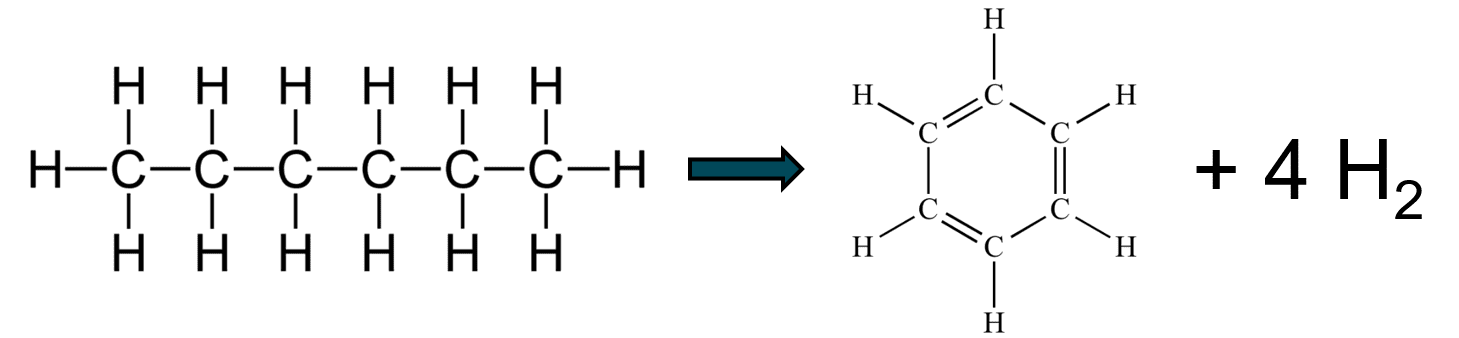
This prepares fuel for more complete combustion inside the cylinder.
2. Cleaner, More Complete Combustion
Improved molecular structure leads to:
- Faster, more uniform combustion
- Less unburned fuel
- Reduced soot and black smoke
- Lower formation of carbon deposits
More of the fuel’s energy is converted into useful work.
3. Lower Emissions & Engine Stress
Because fuel burns more efficiently:
- Fuel consumption decreases
- CO, hydrocarbons, and particulate matter drop
- NOx can be reduced through improved combustion control
- CO₂ emissions fall due to lower fuel use
Engines run cleaner, cooler, and with less internal wear.
What Are The Proven Emissions Reduction Performance?

- Conducted by California Air Resource Board (CARB) Approved Laboratory. Conducted consistent with the protocol required by CARB. Engine was a Cummins model 855 (14L).
- NOx reduced by 19%
- PM (soot) reduced by 20%

- Large forklifts in a port application.
- Hydrocarbons reduced by 95.6%
- CO reduced by 32.5%
- NOx reduced by 27.5%
- CO2 reduced by 17.1%

- Commercial boiler using #2 fuel oil.
- Fuel consumption reduced by 7.6%
- NOx reduced by 13%
- CO reduced by 4%
- Hydrocarbons reduced by 13%

- Hydrocarbons reduced by 10.1%
- CO reduced by 3.5%
- NOx reduced by 3.2%

- Class 8 trucks with Caterpillar C12 engines.
- Fuel consumption reduced by 11.3%
- Hydrocarbons reduced by 36.8%
- CO reduced by 33.5%
- CO2 reduced by 9.7%
- PM (soot) reduced by 42.2%
- Opacity reduced by 33.6%

E S D C - Engine Systems Development Center
American Railroad Association recognized laboratory
AAR 3-Mode Evaluation of the Rentar Catalyst. Diesel Medium Speed Locomotive Engine Tested Off Chassis In Laboratory Cell
- 7.0% Fuel Consumption Improvement at Idle
- 1.5% Fuel Consumption Improvement at 50% and 100% Power
- 15.1% NOx Improvement
- 11.8% Particulate Matter (PM or soot) Improvement
- 9.1% Carbon Monoxide Improvement
- 7.0% CO2 Improvement by Carbon Balance Assumption
- 15.1% Opacity (Smoke) Improvement at 50% Power
- 13.9% Acetone Reduction
- 28.3% Benzene Reduction
- 36.2% Toluene Reduction
- 35.2% Ethyl benzene Reduction
- 52.1% M-Xylene Reduction
- 30.0% O-Xylene Reduction
- 41.0% P-Xylene Reduction

- Missouri DOT. Comparison test using 19 vehicles of various types from 1994 to 2009. Engines tested were Caterpillar, Cummins, International, Perkins and Ford.
- Fuel consumption reduced by 3.8%
- CO2 reduced by 3.8%
- NOx reduced by 20.3%
- NO reduced by 19.3%
- Opacity reduced by 59.4%
- Engine stack temperature reduced by 10.1%

- New York City DEP trucks
- Cummins ISM 330 engines
- CO reduced by 35%
- CO2 reduced by 50%
- NOx reduced by 26%
- Opacity (soot) reduced by 65%

Independent Testing, Forensic Science and Environmental Analyses. Bag Samples were taken from an operating Cummins 855 off-chassis engine operating in a laboratory cell.
- Benzene 35.4% Reduction
- Toluene 36.1% Reduction
- Xylenes 46.2% Reduction
- Ethyl benzene 48.4% Reduction
- Acetone 16.7% Reduction
- Acetalhydes 36.0% Reduction
- 1-ethly-2methly benzene 48.9% Reduction
- 1,2,3, tri-methylbenzene 58.7% Reduction
- Brazil Mining Trucks
- Two trucks tested
- CAT 793F Haul Trucks
- CAT C175 engines
- CO reduced by 18.1%
- CO2 reduced by 3.1%
What Are the Proven, Safe Deployment Records of Rental Fuel Catalyst?
Rentar Fuel Catalyst is backed by:
- Over 20 years of global field use
- 28,000+ units installed worldwide
- EPA and CARB recognised approvals
- OEM letters confirming no impact on engine warranty
- No reported combustion-related engine failures
Catalysts do not wear out—many units remain operational after 20+ years .
What Are The Rentar Fuel Catalyst Customers?
Why Better Combustion Saves Fuel and Money?
When combustion improves:
- Less fuel is wasted
- More power is produced per litre
- Engines stay cleaner internally
- Maintenance intervals are extended
This leads to:
- Lower operating costs
- Reduced downtime
- Extended engine life
- Improved compliance with environmental targets
Fuel savings are recurring—every hour the engine runs.
How Rentar Fuel Catalyst Is Installed?
Rentar installation is simple and non-disruptive:
- Installed inline on the diesel fuel line
- Typically positioned near the injection pump
- Installation time: ~30 minutes
- No fuel tank access required
- No engine reprogramming
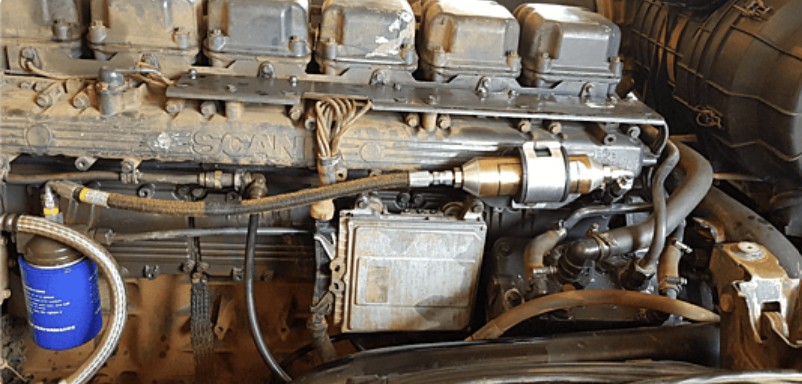
Once installed, the catalyst works continuously throughout the engine’s life.
Speak to us for details.
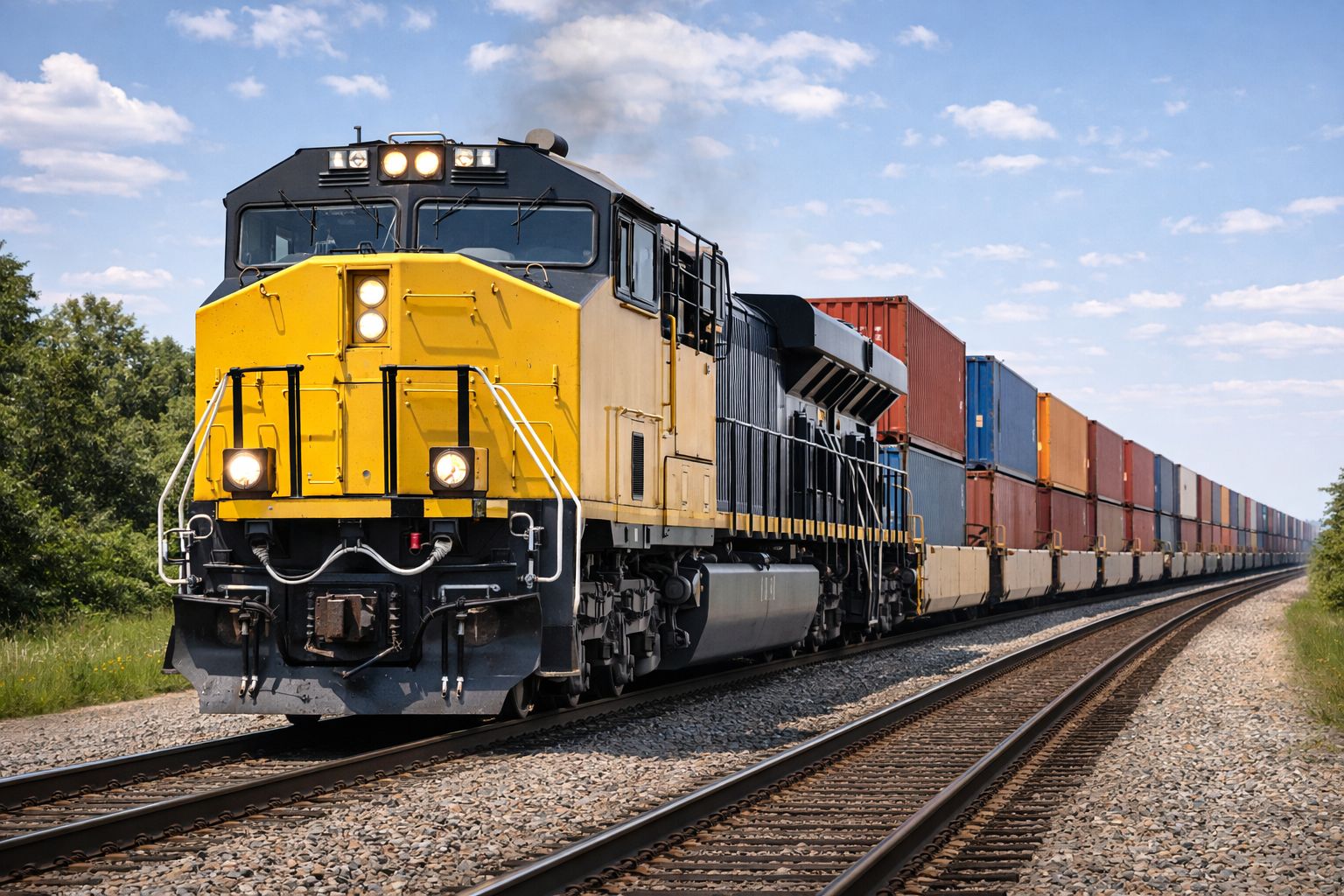
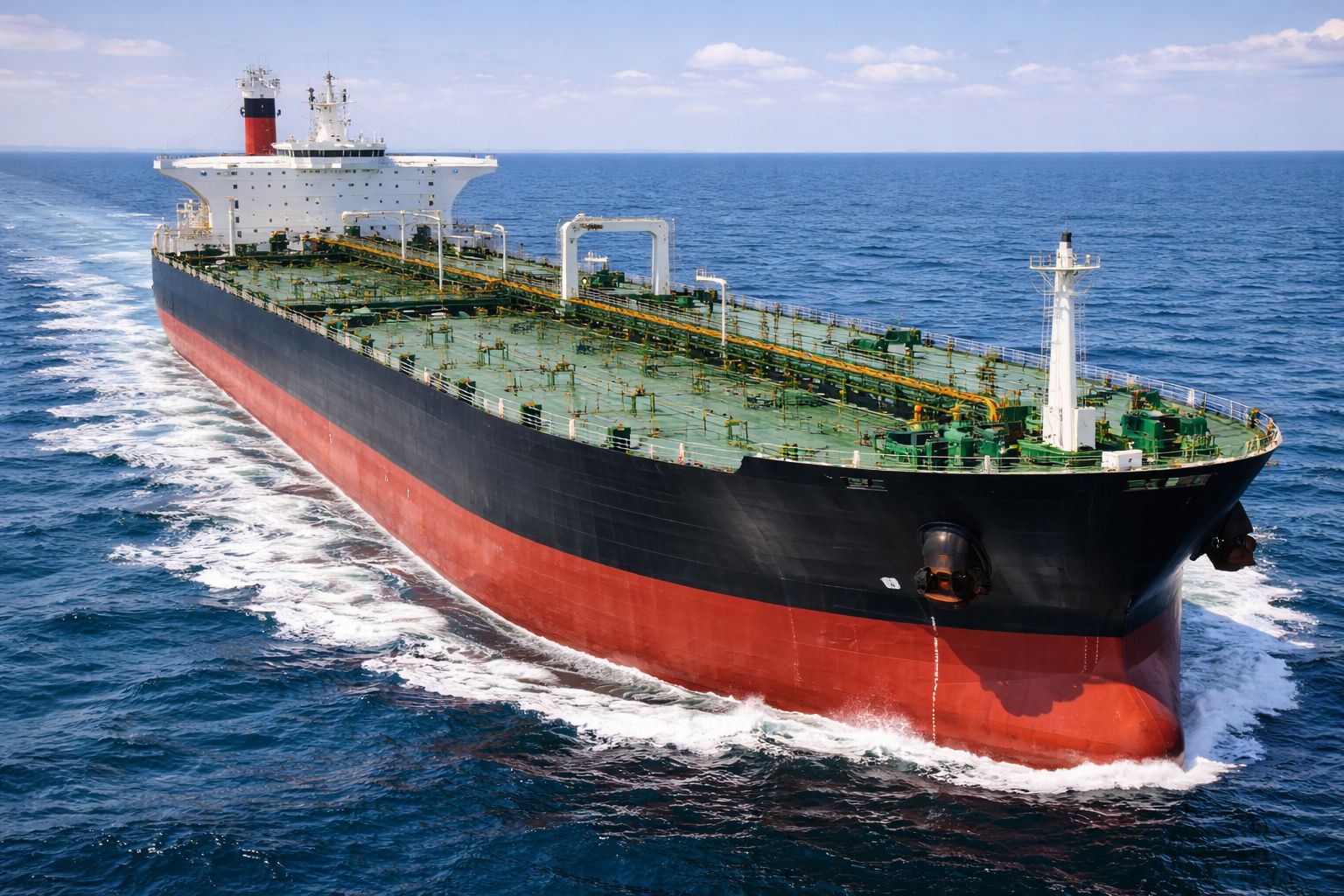
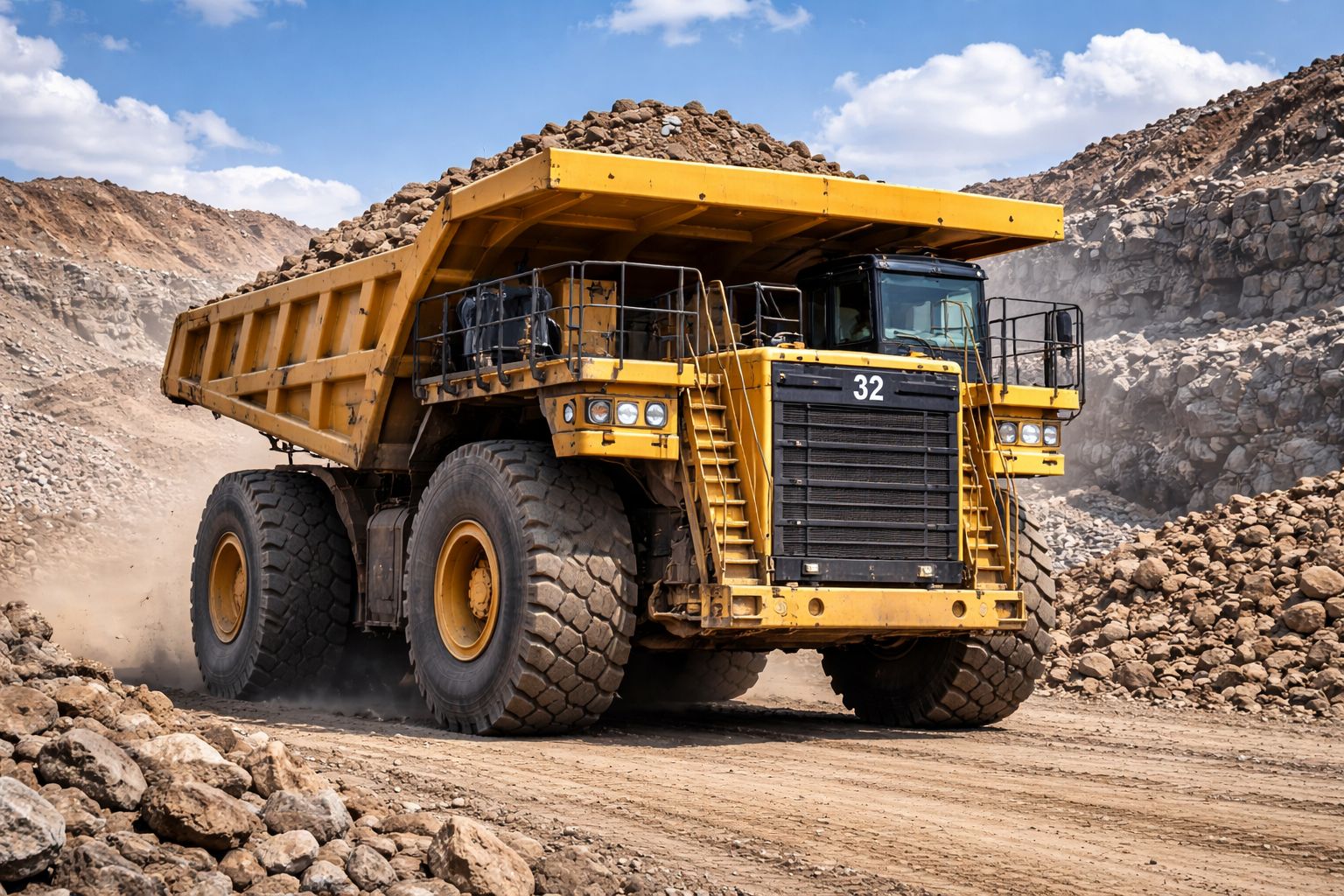
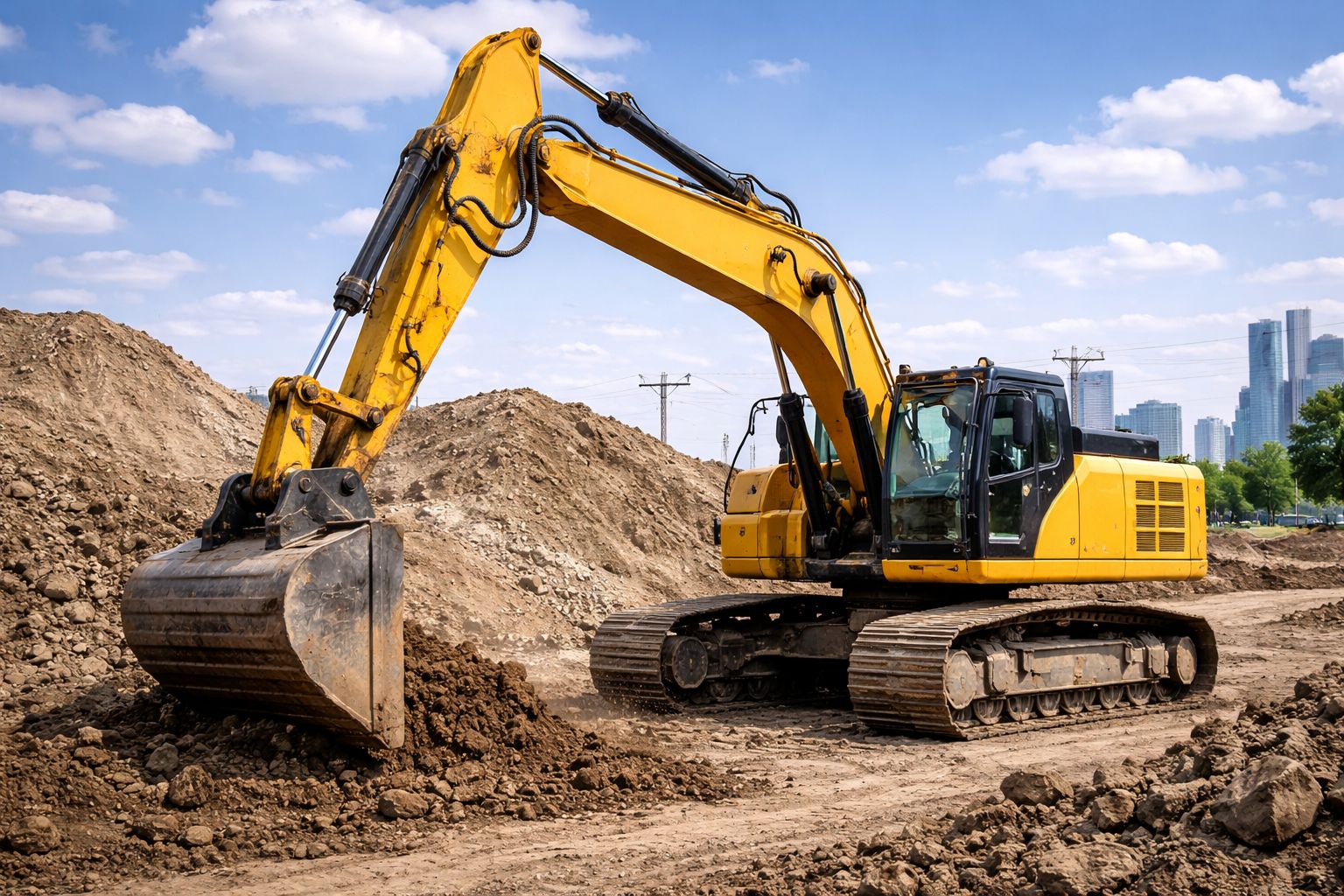
Where Is Rentar Fuel Catalyst Used?


Frequently Asked Questions
Rentar fuel catalyst technology is a device installed into the fuel line of a diesel engine and slightly changes the molecular structure of the fuel to burn cleaner. This gives the advantages of using 3%-7% less fuel, producing fewer emissions, extending engine life and time between oil changes.
It's a mix of various rare-earth metals, precious metals, copper and aluminum. These act as catalysts to cause a chemical reaction to convert some of the constituents to compounds that burn easier and cleaner. It's the same reactions used in refineries every day. That's what increases the efficiency.
No. It is a fixed catalytic device, not a liquid additive.
Big difference. You install this one time and it quietly sits there and does its job for years to come. There is no need to add messy stuff to your fuel tank each time you fill it.
No, you install it in the fuel line, as close to the point of combustion as possible.
They range in size from 1.5" x 8" to 2" x 12" (4 cm x 20 cm to 5 cm x 30 cm).
No, it doesn't. The Magnuson-Moss Warranty Act* makes it illegal for companies to void a warranty or deny coverage under the warranty because an aftermarket or recycled part was used. We have letters from Caterpillar, Cummins, Daimler, Volvo & Mack stating that using this device does not affect their engine warranty. We can work with other manufacturers to get letters from them if needed.
*Federal law, US Code, Title 15 & 2301, Public Law 93-637
Yes. Both actually. They don't endorse it, of course, but it's approved for use by both. We have letters stating that if you need them.
Nope. Never. Over 28,000 in the field and not once.
No. Nothing gets added to the fuel or dissolves out of the catalyst into the fuel. A catalyst "catalyzes" the chemical reaction without ever being part of the reaction.
No, a catalyst helps to make a reaction happen but is not part of the reaction. The catalyst metals, etc. don't wear out or ever need replacing.
Effectively, yes, it raises it. The resultant fuel mix has a faster flame speed, mostly due to the free hydrogen, that ignites the whole mix faster, which is essentially the definition of a higher cetane number.
We don't know - the oldest units are over 20 years old and still working. In theory, a catalyst never wears out. We haven't seen any "wear out" failures in the last 20 years of catalyzing various quality fuels all over the world. So, for now we can say "at least 20 years!"
No. Catalysts are not consumed and do not wear out.
About 30 mins.
Testing is straightforward and simple. The testing is designed to be low-impact on your operations. Typically, a 30-minute install and some record-keeping is about all that is required to test this technology and get statistically valid numbers that can be used for an investment decision.
1) Establish a baseline fuel consumption
2) Install device and run normally for 250-hours
3) measure new fuel consumption
Our "fast-track" testing method gets that done in about 250 hours of operation. Other methods of measuring fuel take longer but are equally non-intrusive for your operations. More info on the testing page. Best option is to just contact us and let's talk it through.
The fuel flowing through the catalyst "conditions" the catalyst and the cleaner combustion "conditions" and cleans the engine. This takes some time and you will see the performance of the technology get better over the first 250 hours. It will continue to get better after that but the rate of improvement will slow. By 250 hours you will have a good idea of what you will see in the long term.
Yes, you can. We have solutions that cover from 75 HP to over 4000 HP. Whether it's marine, truck, mining, gensets, rail, etc., if it burns diesel, we can help it burn more efficiently.
Yes. Biodiesel is mostly normal diesel so it works on the normal diesel part of the mixture and gives the same results. Biodiesel has a problem in that it produces higher NOx than regular diesel. NOx production is proportional to the combustion temperature. The catalyst makes the fuel burn more efficiently at a lower temperature thereby reducing the NOx output of biodiesel. This can be a double-win if you're using biodiesel and want to reduce NOx also.
Some studies on biodiesel see a CO2 reduction of 5-7% over regular diesel. The use of our catalyst provides 5-7% CO2 reduction without the higher costs of biodiesel (it is heavily subsidized by some governments around the world).
HVO is an abbreviation for hydrogenated vegetable oil. It's also known as renewable diesel. The claims of HVO is that it's exactly the same as diesel. Therefore, the results are going to be exactly the same as diesel. It's been tested at least once and got normal results. That test was on mining equipment in California and saw a 5.6% fuel reduction.
How To Improve Diesel Efficiency Without Replacing Engines?
Rentar Fuel Catalyst improves efficiency where it matters most—inside the combustion process itself.
Contact Radiant Climate Technologies to learn how Rentar Fuel Catalyst can reduce fuel costs, cut emissions, and extend the life of your diesel engines and equipment.
Burn fuel better. Save money. Protect engines.
Explore Related Energy Loss Topics
This problem connects to broader thermal-efficiency challenges across industries: