Thermal Management of Electronics
Better Thermal Management. Higher Power Density. Smarter Miniaturisation.
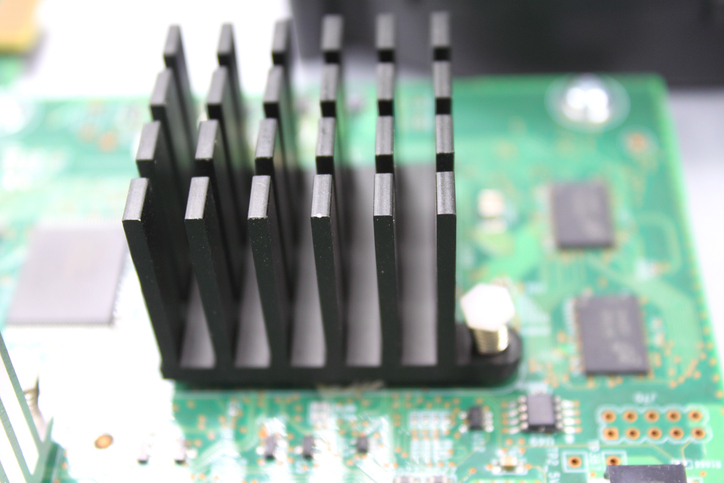
The Hidden Thermal Challenge in Electronics
As electronic devices become smaller, faster, and more powerful, heat becomes the limiting factor.
Across electronic assemblies and electrical equipment, common thermal challenges include:
- Localised hot spots around power components
- Inefficient heat spreading across heat sinks and chassis
- Surface oxidation reducing thermal conductivity over time
- Oversized heat sinks or forced cooling added just to stay within temperature limits
These issues lead to reduced efficiency, shorter component lifespan, design constraints, and higher system costs.
What Electronics Designers and Manufacturers Want
As design engineers and manufacturers, you are looking for:
- Better thermal management without increasing size or weight
- Higher power density in compact enclosures
- Improved reliability and longer component life
- Reduced reliance on fans, oversized heat sinks, or complex cooling
- Scalable solutions for production and retrofit
The key is not more metal—but better heat transfer at the surface level.
Radiant+ E3 Coating System
A Smarter Thermal Management Solution
Radiant+ Coating System is a water-based, ultra-thin, thermally conductive coating platform adapted from large heat-exchange systems to electronic and electrical applications.
Radiant+ Coating is applied to:
- Heat sinks
- Metal chassis and enclosures
- Structural frames acting as heat spreaders
- Internal thermal surfaces of power and control modules
The result is faster heat spreading, improved dissipation, and cooler operation—without changing mechanical design .
How Radiant+ Works in Electronics
Radiant+ enhances thermal performance through three key mechanisms:
Conduction
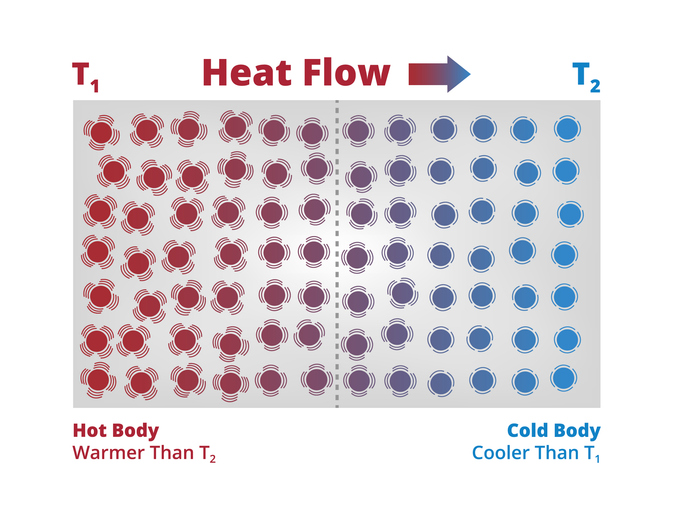
Radiant+ E3 Coating forms a ≤15 micron conductive layer that restores and enhances surface thermal conductivity.
This allows heat to:
- Move away from power components faster
- Spread more evenly across heat sinks and chassis
- Reduce localised hot spots
Better conduction means lower junction and surface temperatures.
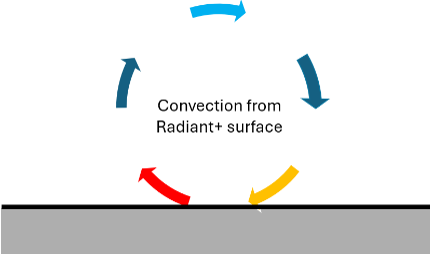
Convection
Radiant+ E3 Coating:
- Creates a smooth, engineered metal-air interface
- Improves convection and radiation efficiency
- Enables faster heat rejection under passive cooling
This reduces the need for oversized heat sinks or aggressive airflow.
Protection
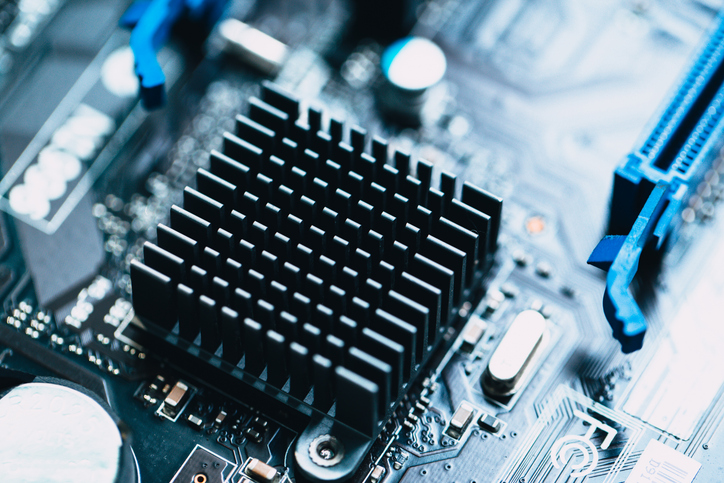
Oxidation and contamination degrade thermal performance over time.
Radiant+ protects aluminium and copper surfaces against:
- Oxidation
- Environmental degradation
- Performance drift
Thermal performance remains stable throughout the product lifecycle.
Why Radiant+ E3 Coating Enables Miniaturisation & Higher Power Density
When thermal resistance is reduced:
- Components run cooler
- Electrical losses decrease
- Thermal margins increase
This allows designers to:
- Increase wattage in the same enclosure
- Reduce heat sink size or mass
- Minimise or eliminate forced cooling
- Design smaller, lighter, more compact products
Radiant+ E3 Coating directly supports miniaturisation and next-generation device design .
Radiant + Coating heatsink test of heat transfer capability (Same heat sink size)
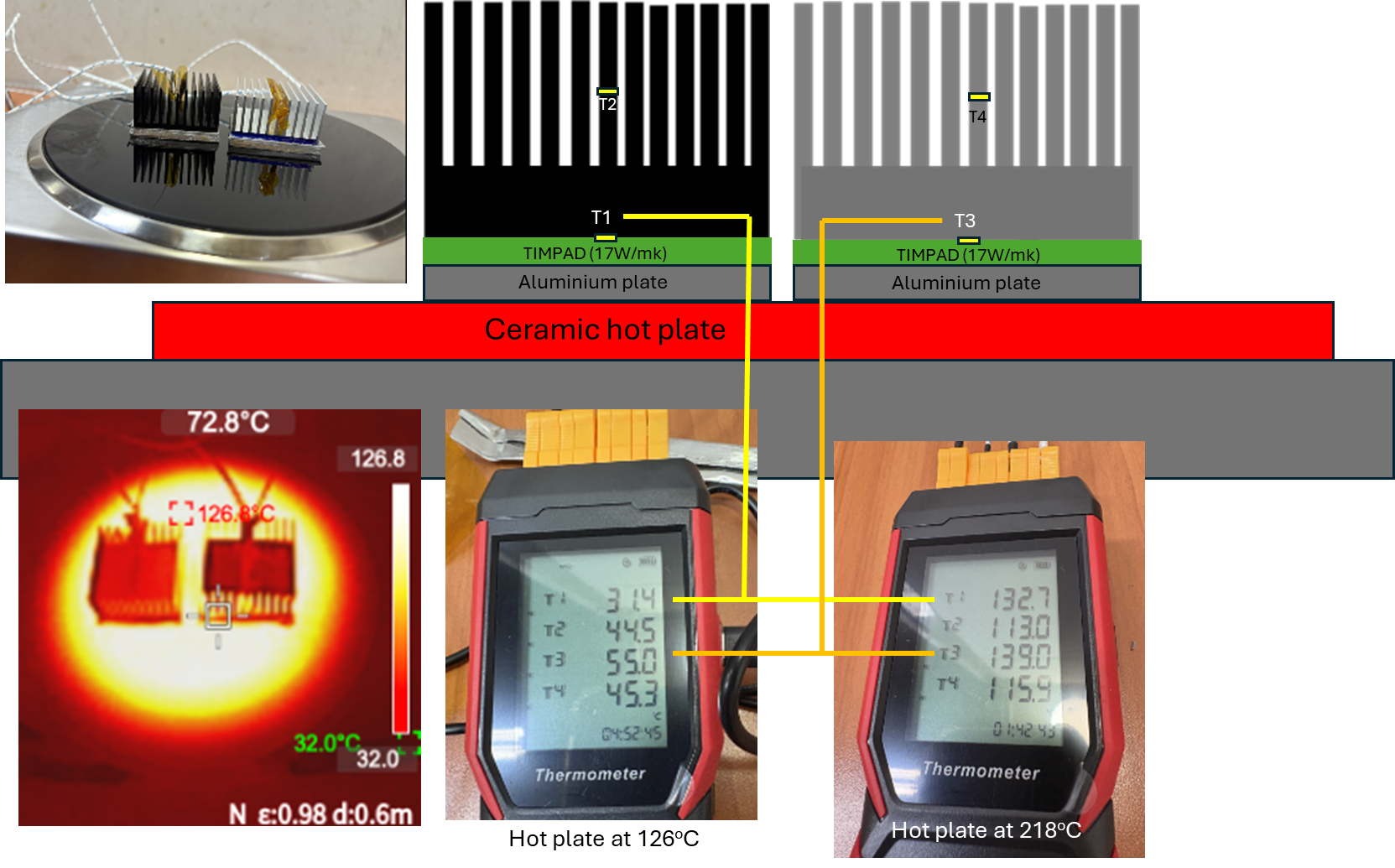
The TIMPAD temperature under coated heatsink is significantly lower than TIMPAD temperature under bare heatsink.
Coated heatsink dissipate heats significantly better than bare heatsink.
Radiant + Coating heatsink test of heatsink miniaturization
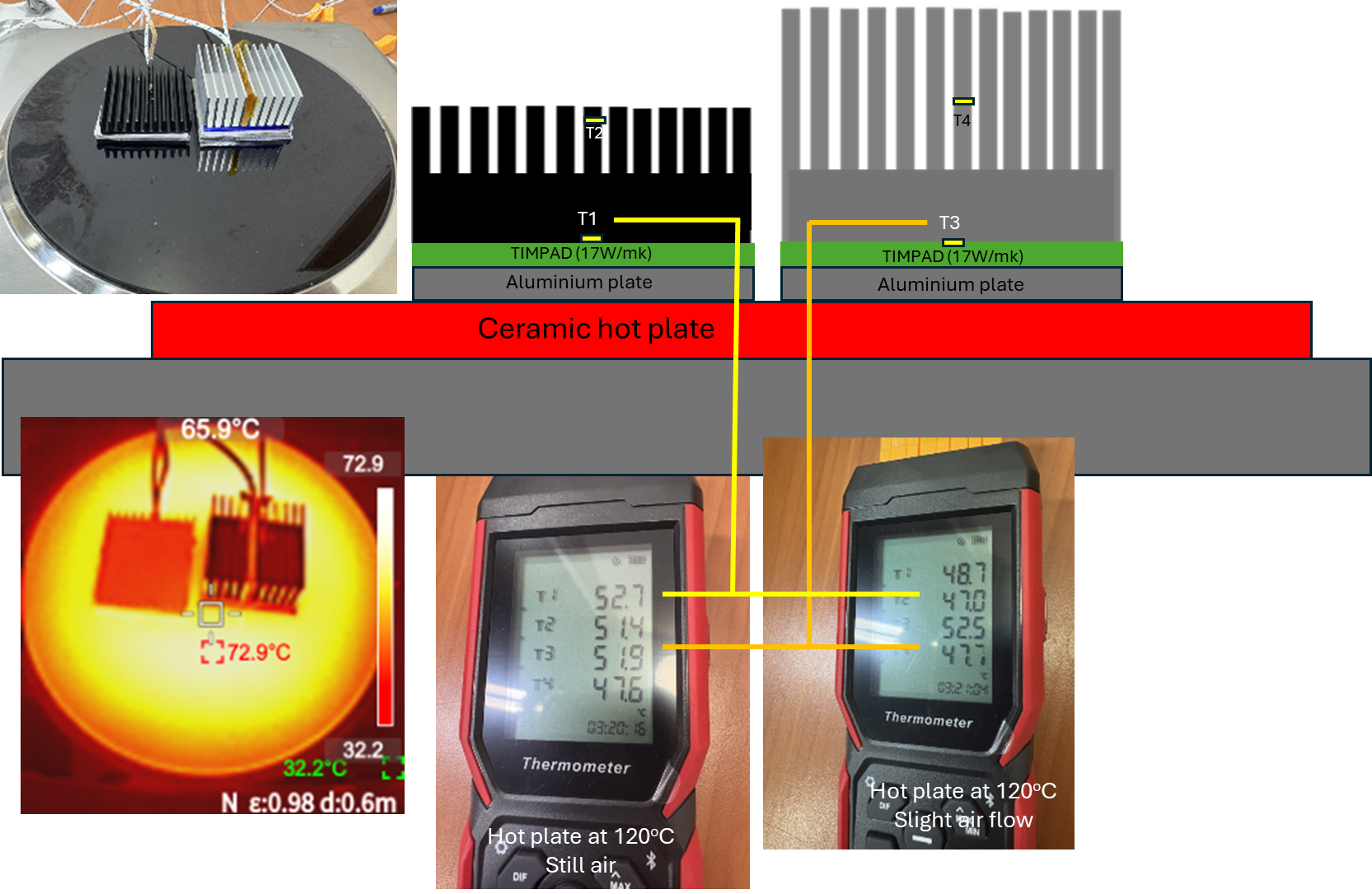
TIMPAD temperature under coated but shorter heatsink is close to TIMPAD temperature under bare heatsink (despite of half-fin lenght-heatsink). Even lower with slight airflow.
Coated smaller heatsink allows miniaturization of heatsinkWhere Radiant+ E3 Coating System Is Used
Electronic Assemblies
- Power supplies, inverters, rectifiers
- IGBT, MOSFET, SiC & GaN modules
- High-density PCBs with thermal structures
- Communication and computing hardware
Electrical Devices & Equipment
- EV chargers and power distribution units
- Industrial control panels
- LED drivers and lighting housings
- Consumer and commercial appliances
Thermal-Structural Components
- Aluminium heat sinks (extruded, die-cast, stamped)
- Metal chassis and enclosures acting as heat spreaders
Applications Across Industries
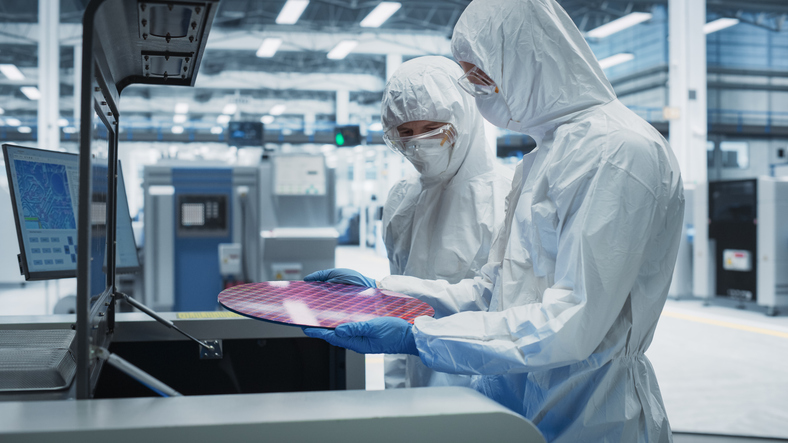
Semiconductors & Chip Packaging
Enhanced heat dissipation for processors and power devices
Data Centers
Improve thermal performance in high-density servers and storage units.

Telecom & 5G Equipment
Support compact thermal solutions in base stations and network hardware.

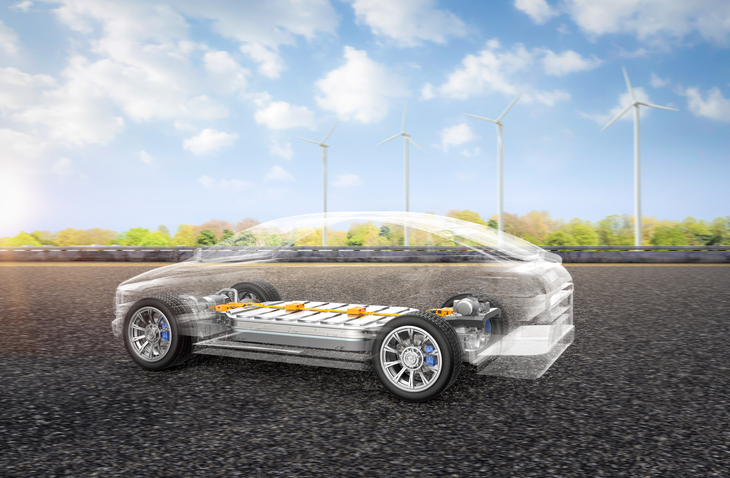
Electric Vehicles (EVs)
Boost cooling in onboard electronics, inverters, and battery management systems
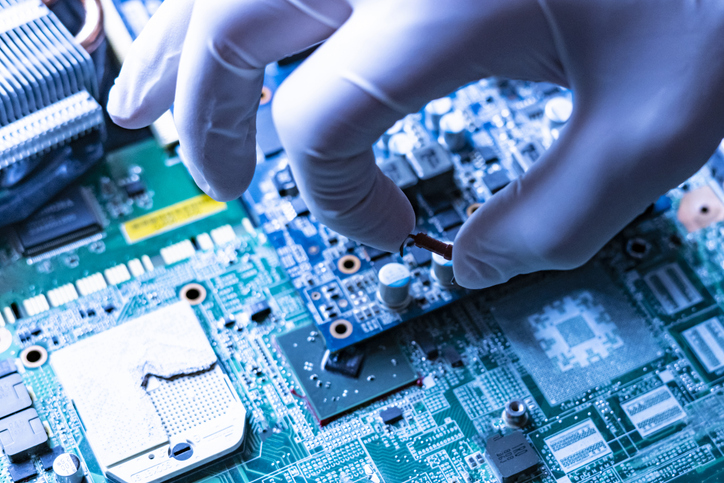
Industrial Automation
Extend reliability of PCB assemblies in mission-critical environments.
How Radiant+ Is Applied
Cleanse
Removes oils, oxidation, and contaminants that impede heat transfer.

Prime
Conditions the surface for strong adhesion and stable performance.

Enhance
Precision spray application of a thin, uniform, conductive coating.

Key advantages:
- Ultra-thin coating preserves tolerances
- No high-temperature baking required
- Suitable for production lines or retrofit
- Compatible with aluminium, copper, and treated steel .
Frequenty Asked Questions
It reduces thermal bottlenecks caused by poor heat spreading, oxidation, and inefficient surface heat dissipation.
In many designs, yes. Radiant+ often enables downsizing or reduced reliance on forced cooling.
Yes. Radiant+ is optimised for aluminium and copper heat-transfer surfaces.
Yes. It is water-based, low-VOC, non-flammable, and production-friendly.
No. Radiant+ is applied only to thermal surfaces and does not interfere with electrical insulation when applied correctly.
The Future of Thermal Management
Radiant+ E3 Coating System empowers engineers to design smaller, more efficient, and more sustainable systems without compromising on performance or durability. It’s not just a coating—it’s an enabler of next-generation electronics.
Why Partner with Radiant Climate Technologies
Radiant Climate Technologies extends proven thermal-engineering expertise into electronics and electrical industries.
By working with RCT, manufacturers gain:
- A surface-engineered thermal solution, not just a coating
- Support for compact, high-efficiency product design
- Improved reliability and lifecycle performance
- Alignment with energy-efficiency and eco-design goals
Radiant+ becomes a strategic thermal enabler, not a component add-on.
Contact Radiant Climate Technologies today and discover how Radiant+ can help you shrink heatsinks, reduce costs, and push the boundaries of electronic design.
Explore Related Energy Loss Topics
This problem connects to broader thermal-efficiency challenges across industries: