
What did the CSIRO test find?
The coated unit delivered an EER of 3.264, against 2.855 when the coil was corroded and 3.249 when the unit was new. That is a 12.5% efficiency recovery against the corroded coil and a 0.5% gain over the new-unit baseline, at the same 35 °C outdoor test condition.
| Parameter | Test 1: new unit (baseline) | Test 2: corroded coil | Test 3: coated with Radiant+ E3 |
|---|---|---|---|
| Outdoor temperature | 34.95 °C | 34.99 °C | 34.96 °C |
| Cooling capacity | 8.698 kW | 8.329 kW | 8.707 kW |
| Electrical input | 2.677 kW | 2.917 kW | 2.667 kW |
| EER (kW/kW) | 3.249 | 2.855 | 3.264 |
| EER change vs baseline | — | −12.10% | +0.5% |
Source: CSIRO National HVAC Performance Test Facility, report NP0017 Report 1, 1 December 2021, prepared for the Australian distributor of the coating (tested under the name ECRA-E3). Stated measurement uncertainty: ±3.08% cooling capacity, ±3.15% EER.
What was tested, and where?
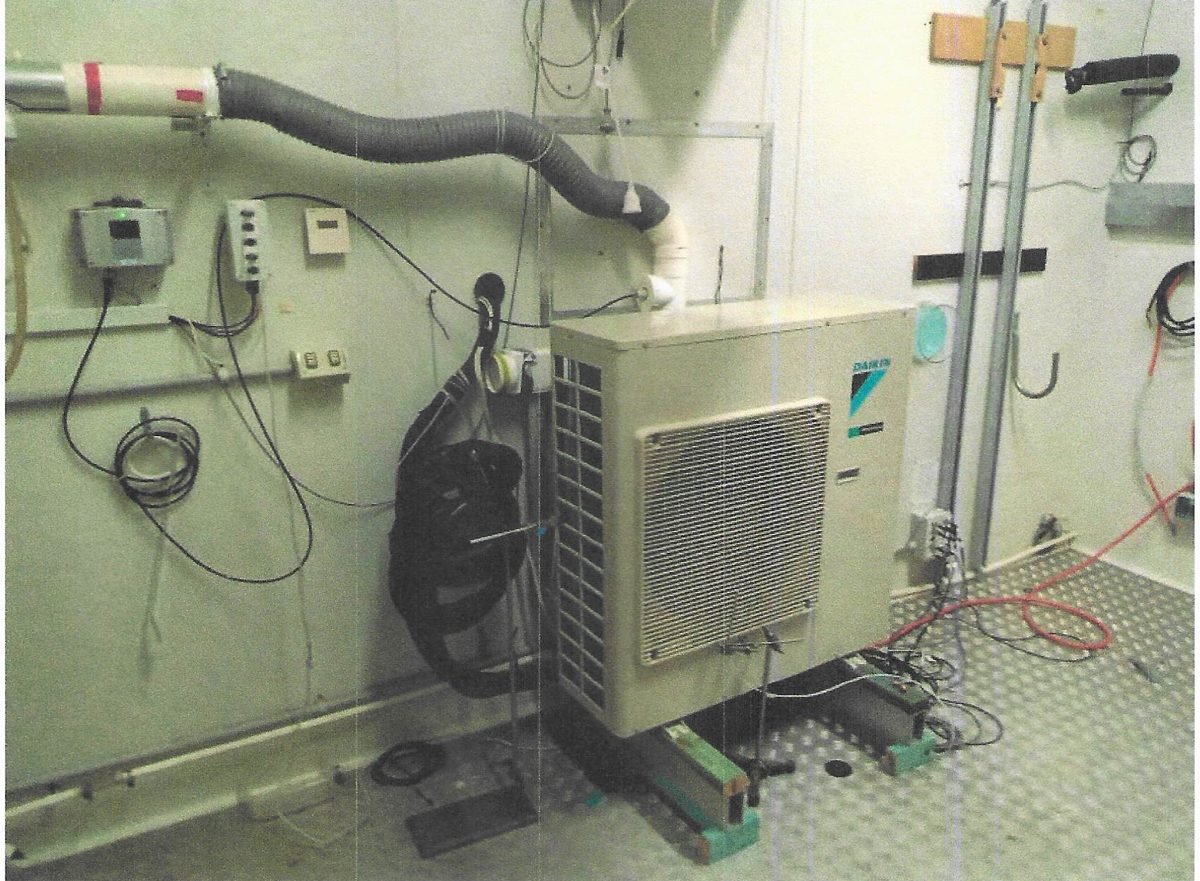
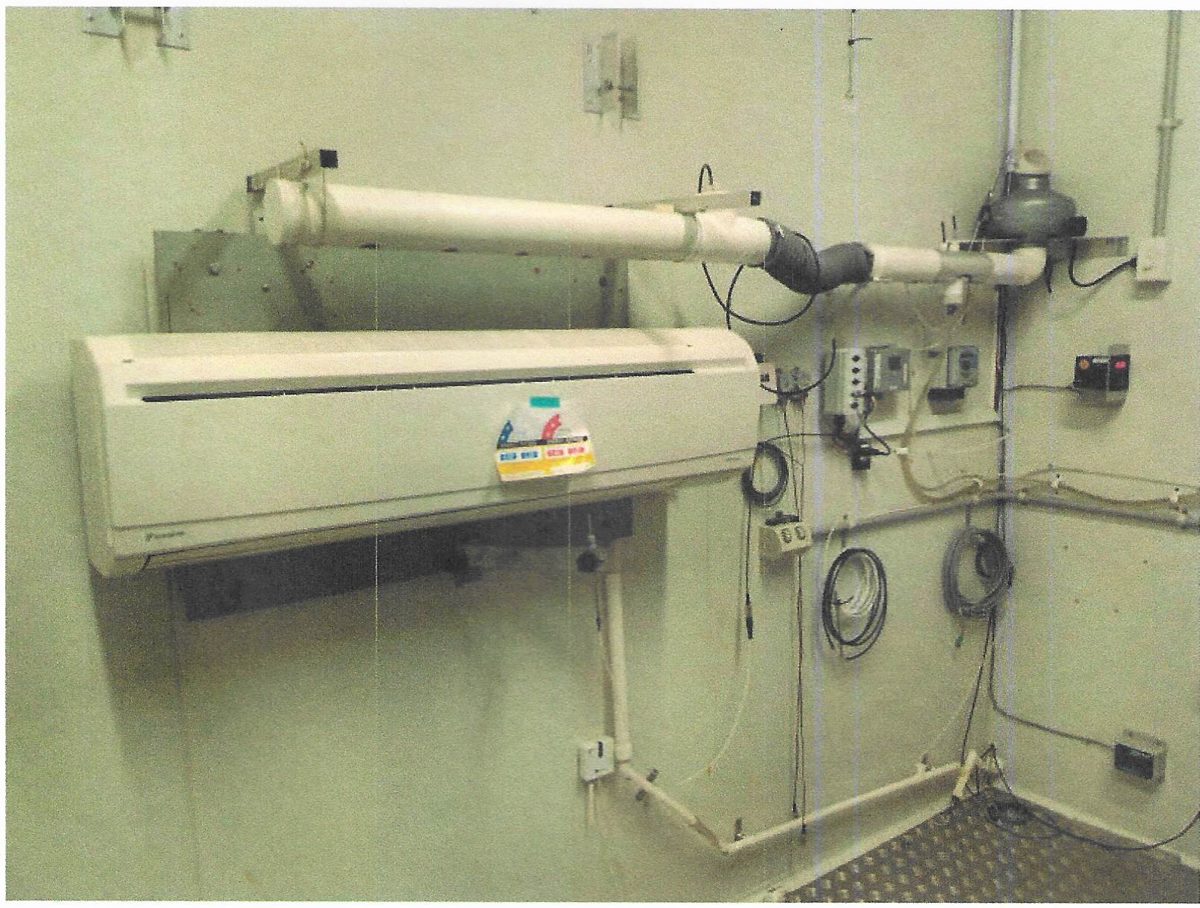
A new Daikin RXS85LVMA reverse-cycle, variable-speed split system (R410A) was installed in the balanced-ambient calorimeter rooms of CSIRO's National HVAC Performance Test Facility in Newcastle, NSW, Australia.
- Test laboratory
- CSIRO National HVAC Performance Test Facility (NHPTF), Newcastle NSW — NATA accredited
- Equipment
- Daikin RXS85LVMA outdoor unit with matching wall-mounted indoor unit; reverse-cycle, variable speed; R410A
- Treatment
- Radiant+ E3 (ECRA-E3) coating on the outdoor (condenser) coil after cleaning
- Test standard
- AS/NZS 3823.1.1:2012 (test method), T1 rating condition
- Rating condition
- Indoor 27 °C dry bulb / 19 °C wet bulb; outdoor 35 °C
- Test period
- 26 July 2021 – 6 December 2021
- Measurement
- Balanced-ambient room calorimeter for indoor and outdoor units; cooling capacity and electrical input logged by the facility; refrigerant reclaimed and weighed (2.8 kg) before each test so charge was identical
How was the test run?
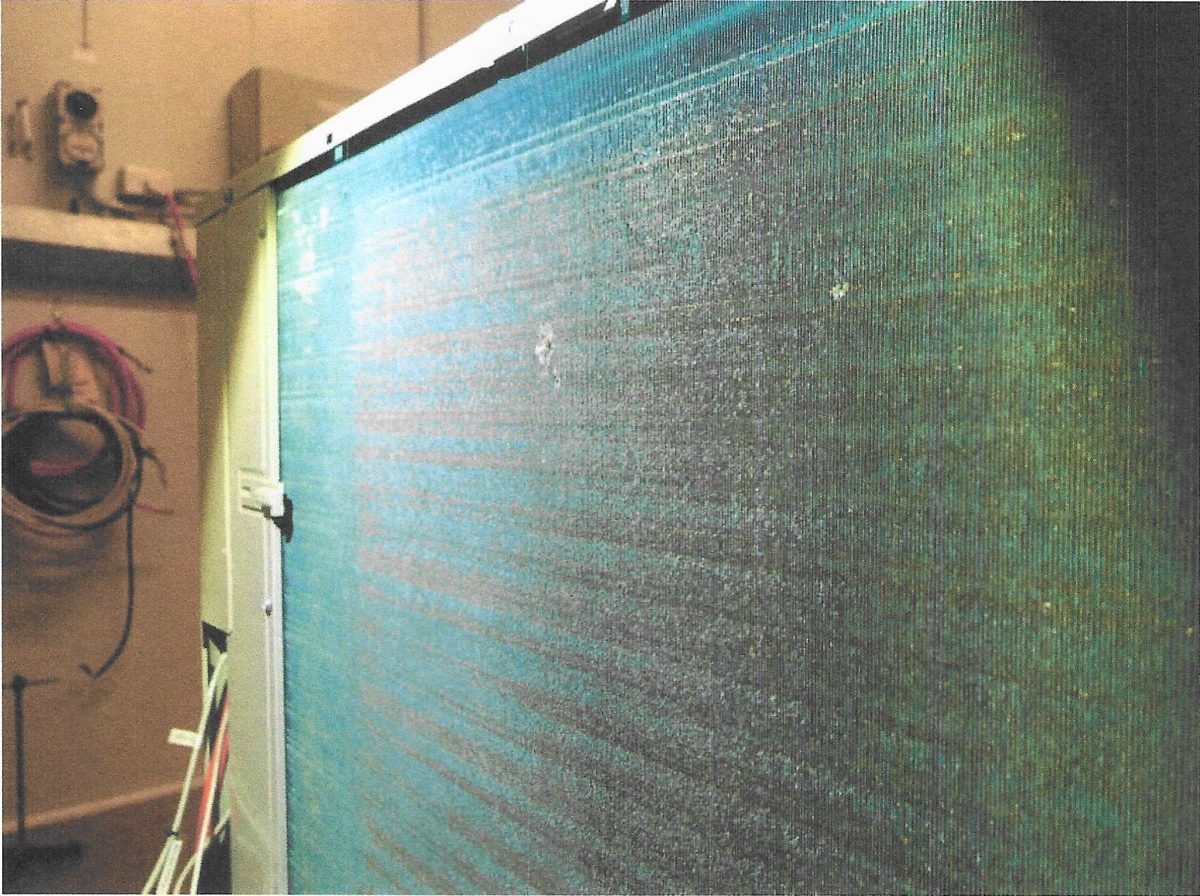
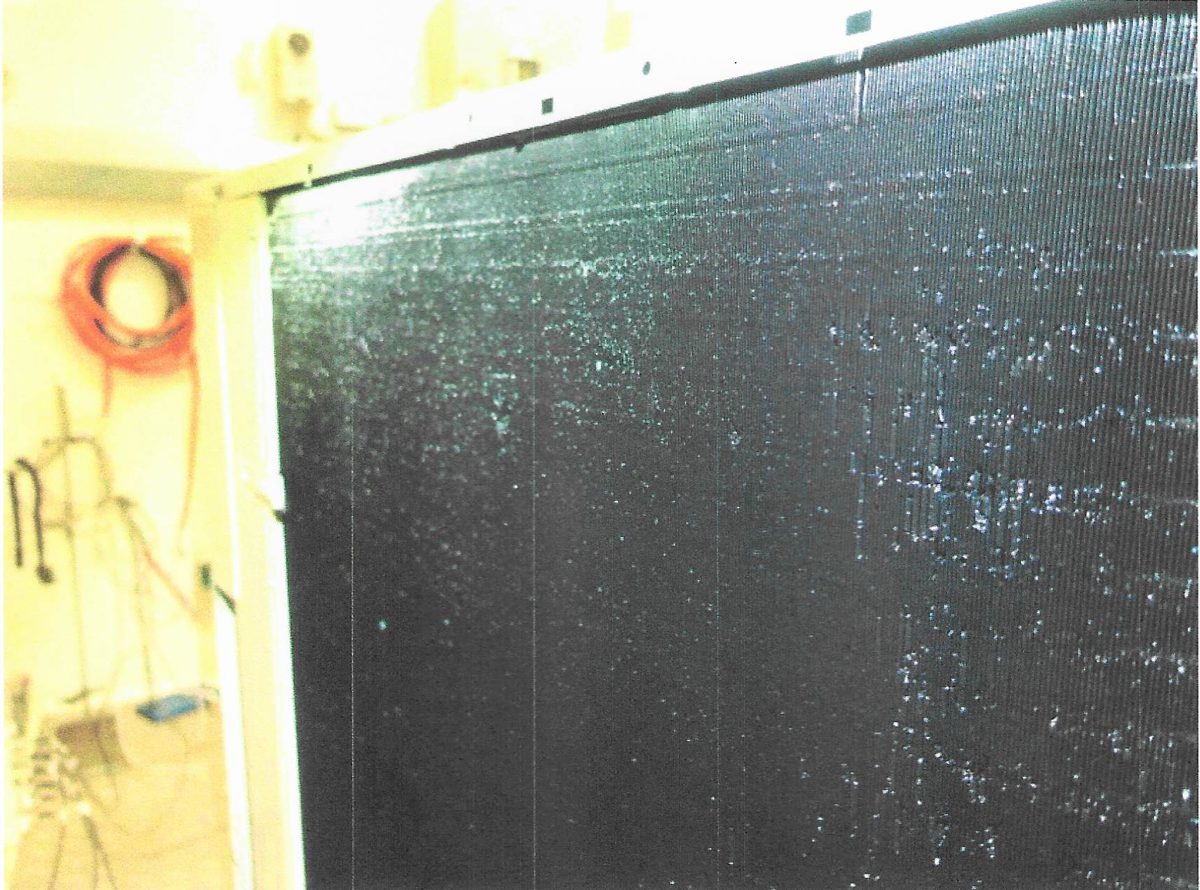
The same unit was tested three times under identical conditions: new, after accelerated corrosion, and after the corroded coil was coated.
- Test 1 — baseline. The new unit was rated at the T1 condition.
- Test 2 — corroded. The outdoor coil was corroded over one week with sodium hydroxide followed by citric acid, then re-tested.
- Test 3 — coated. The corroded coil was coated with Radiant+ E3 and the unit tested again.
Before each test the refrigerant was reclaimed and weighed, so differences in result come from the coil condition and not the charge.
What does this mean for a building owner?
Corrosion and fouling quietly take 10% or more from an air conditioner's efficiency. The CSIRO result shows that coating a cleaned coil can win that loss back without replacing the coil or the unit.
In the field, coils are rarely as corroded as the laboratory specimen, and site conditions vary. That is why RCT measures every site before and after coating — see the field projects below.
Frequently asked questions
Is the CSIRO test independent?
Yes. It was carried out by CSIRO's National HVAC Performance Test Facility, a NATA-accredited laboratory, under AS/NZS 3823 test conditions, and reported in NP0017 Report 1 (December 2021).
Why is the result reported as EER and not kWh?
A laboratory rating test measures capacity and power at a fixed condition. EER (cooling kW per electrical kW) is the efficiency measure; a 12.5% EER gain means about 11% less electricity for the same cooling.
What is ECRA-E3?
ECRA-E3 is the name under which the coating was submitted for the CSIRO test. RCT supplies it as the Radiant+ E3 Coating System.